Authored by Ella Kietlinska via The Epoch Times (emphasis ours),
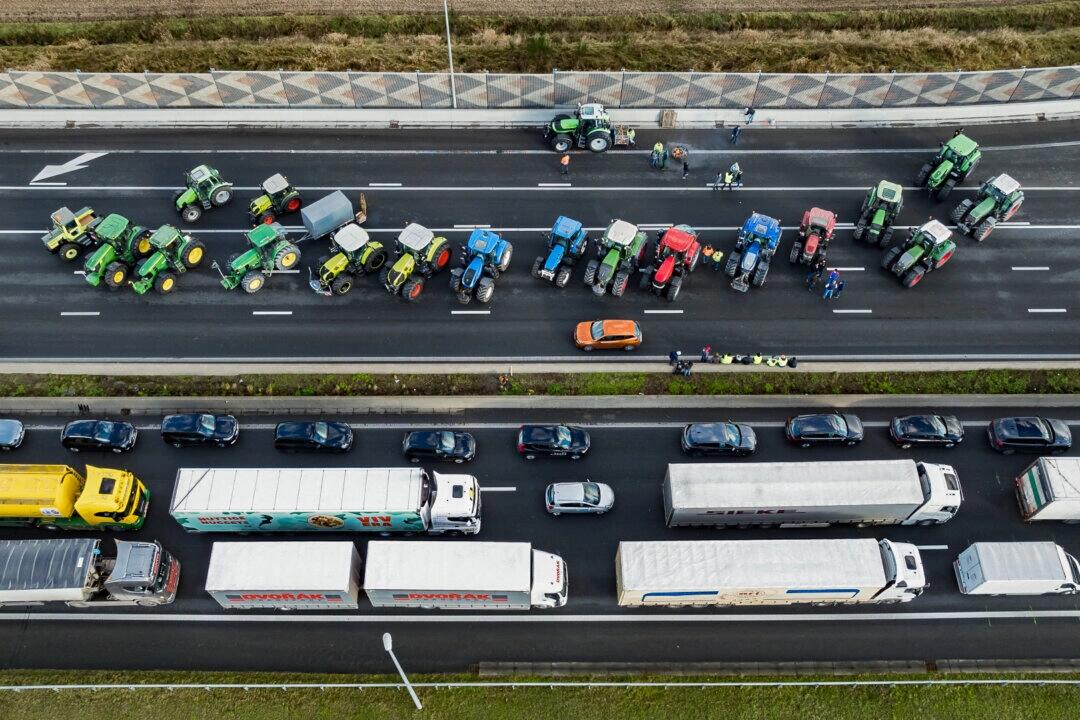
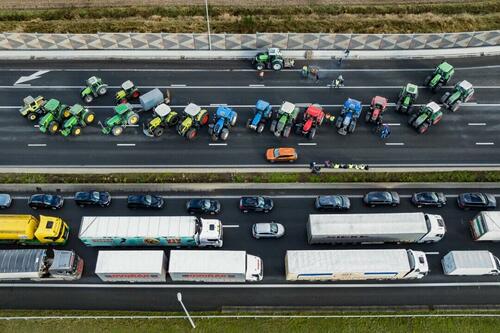
Polish farmers from the Solidarity trade union plan a general strike starting this Friday with a blockade of border crossings between Poland and Ukraine, joining similar protests all over Europe.
The presiding officers of the farmers’ trade union “Solidarity” unanimously adopted a resolution on Wednesday announcing a general strike of farmers throughout the country, according to a union’s statement.
The strike will begin on February 9 with a blockade of all border crossings between Poland and Ukraine, along with blockades of roads and highways across the country between Feb. 9 and March 10, the trade union said in the statement on Thursday.
“Our patience has run out. Brussels’ position on the last day of January 2024 is unacceptable for our entire agricultural community,” the trade union said in the statement.
“Additionally, the passivity of the Polish authorities... regarding the import of agricultural produce and food products from Ukraine leave us with no other choice but to declare a general strike.”
Solidarity also demanded that the Polish government ensure the profitability of Polish agriculture and rebuild the Polish agro-processing sector, as, in its opinion, they are not protected under the “European Green Deal,” which is currently being implemented.
“Polish family farms are the basis of the country’s food security,” the trade union said. “We are fighting for our common good, which is to protect Polish family farms, often multi-generational farms, from collapse and bankruptcy.”
The European Green Deal is the European Union’s initiative to fight climate change and environmental degradation, which the EU considers “an existential threat to Europe and the world,” according to a policy statement by the European Commission.
“The European Commission [the EU’s executive body] has adopted a set of proposals to make the EU’s climate, energy, transport, and taxation policies fit for reducing net greenhouse gas emissions by at least 55 percent by 2030, compared to 1990 levels.” with the ultimate goal of “no net emissions of greenhouse gases by 2050,” the statement said.
Farmers in France, Belgium, Portugal, Greece, and Germany have been protesting against the constraints placed on them by EU measures to tackle climate change, rising costs, and unfair competition from abroad. Polish farmers have been particularly vocal about the impact of cheap food imports from neighboring Ukraine.
Reactions to Protest Announcement
The European Commission said it was listening closely to the concerns expressed by farmers in protests taking place in several member states.
“In relation to the specific concerns outlined by farmers at the present time, the Commission is assessing possible next steps,” a spokesperson for the Commission wrote in an emailed response to Reuters’ request for comment.
Polish Minister of Agriculture Czesław Siekierski said in an interview with RMF FM on Saturday that the Polish government would try to stop blockades of roads, and it has already asked the farmers’ trade unions for a meeting.
Mr. Siekierski told RMF FM that farmers” are protesting for a good cause” as grain exported from Poland is pushed out from markets by cheaper grain from Ukraine.
The government has been conducting bilateral talks with Ukraine and is also in talks with the EU, but it needs more time because it took office only seven weeks ago, Mr. Siekierski told RMF FM.
Former Polish minister of agriculture Artur Balazs and Chairman of the European Fund for the Development of Polish Villages said in an interview with “Polskie Radio 24” that agricultural production in Ukraine does not comply with EU’s phytosanitary and animal welfare regulations.
For the EU farmers, however, compliance with the Union’s agricultural standards amounts to a large portion of production costs, Mr. Balazs told the Polish radio station, adding that only the EU can solve this problem.
EU Greening Concession
On January 31, the European Commission proposed to allow EU farmers to derogate for one year from certain EU agricultural rules adopted in 2023, according to a statement.
The EU’s rule that obligates farmers to keep 4 percent of their arable land fallow or unproductive is set to be temporarily replaced by a rule requiring farmers to allocate 7 percent of their land to growing, without using pesticides, nitrogen-fixing crops– such as lentils, peas, or favas– and catch crops, the statement said. “Catch crops are plants that grow between two main crops” and can serve as fodder for animals or green manure.
Farmers who follow the new rule will still be eligible for EU’s subsidies, the statement said.
The European Commission recognized in the statement the difficulties and uncertainties framers face due to weather events such as droughts, wildfires, and floodings in various parts of the Union, high energy and input prices due to the Russian invasion of Ukraine, as well as inflation and increased costs of living.
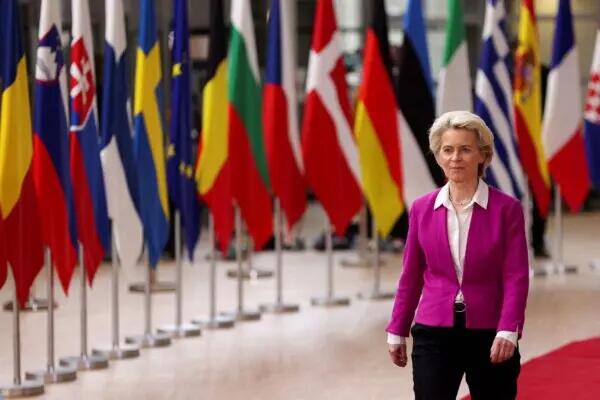
“Today’s measure offers additional flexibility to farmers at a time when they are dealing with multiple challenges,” Ursula von der Leyen, President of the European Commission, said in the statement.
Copa and Cogeca, the organization of the EU’s farmers and agri-cooperatives, said in a statement that the EU’s decision to allow farmers to derogate from keeping a portion of their land fallow or unproductive came late in the agricultural calendar and is limited.
According to the European Commission, the measure will be adopted upon its approval by EU members through voting.
Copa and Cogeca called in the statement on EU member states to “further strengthen this proposal.”
Capping Imports From Ukraine
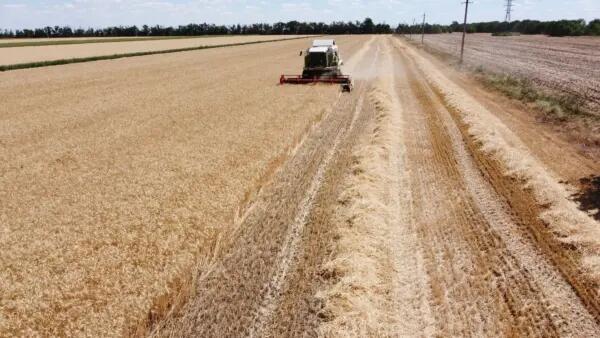
On the last day of January, the European Commission also proposed to renew the suspension of import duties and quotas on Ukrainian exports to the EU for another year but to cap the import of sensitive agricultural products from Ukraine—poultry, eggs, and sugar–at levels from 2022 and 2023, according to a statement.
If imports of these products exceeded the average import volumes in 2022 and 2023, “tariffs would be reimposed to ensure that import volumes do not significantly exceed those of previous years,” the statement said.
The EU lifted import duties on Ukrainian exports in 2022 following Russia’s invasion, the Commission said.
The measure proposed by the EU to create a mechanism to limit the rising imports of some foods is welcomed by Copa and Cogeca, but its members found it insufficient, the organization said in a statement.
Copa and Cogeca said that excluding cereals and oilseeds from the mechanism limiting imports from Ukraine is “unacceptable.”
“While we believe that it is in the EU’s duty and interest to continue supporting Ukraine, the solution to the current situation concerning the impact of the imports on EU producers must be effectively addressed,” Copa and Cogeca said.
The statement said that the EU’s two legislative bodies, the European Parliament and the Council of the European Union, comprised of ministers from each member country, will consider the proposal.
The organization called on both institutions to include cereals and oilseeds in the measure and use the yearly average of the two earlier years—2021 and 202—as the base to cap the imports from Ukraine.
Copa and Cogeca also demanded that any products imported above this threshold must be exported outside the EU.
Reuters contributed to this report.
Authored by Ella Kietlinska via The Epoch Times (emphasis ours),
Polish farmers from the Solidarity trade union plan a general strike starting this Friday with a blockade of border crossings between Poland and Ukraine, joining similar protests all over Europe.
The presiding officers of the farmers’ trade union “Solidarity” unanimously adopted a resolution on Wednesday announcing a general strike of farmers throughout the country, according to a union’s statement.
The strike will begin on February 9 with a blockade of all border crossings between Poland and Ukraine, along with blockades of roads and highways across the country between Feb. 9 and March 10, the trade union said in the statement on Thursday.
“Our patience has run out. Brussels’ position on the last day of January 2024 is unacceptable for our entire agricultural community,” the trade union said in the statement.
“Additionally, the passivity of the Polish authorities… regarding the import of agricultural produce and food products from Ukraine leave us with no other choice but to declare a general strike.”
Solidarity also demanded that the Polish government ensure the profitability of Polish agriculture and rebuild the Polish agro-processing sector, as, in its opinion, they are not protected under the “European Green Deal,” which is currently being implemented.
“Polish family farms are the basis of the country’s food security,” the trade union said. “We are fighting for our common good, which is to protect Polish family farms, often multi-generational farms, from collapse and bankruptcy.”
The European Green Deal is the European Union’s initiative to fight climate change and environmental degradation, which the EU considers “an existential threat to Europe and the world,” according to a policy statement by the European Commission.
“The European Commission [the EU’s executive body] has adopted a set of proposals to make the EU’s climate, energy, transport, and taxation policies fit for reducing net greenhouse gas emissions by at least 55 percent by 2030, compared to 1990 levels.” with the ultimate goal of “no net emissions of greenhouse gases by 2050,” the statement said.
Farmers in France, Belgium, Portugal, Greece, and Germany have been protesting against the constraints placed on them by EU measures to tackle climate change, rising costs, and unfair competition from abroad. Polish farmers have been particularly vocal about the impact of cheap food imports from neighboring Ukraine.
Reactions to Protest Announcement
The European Commission said it was listening closely to the concerns expressed by farmers in protests taking place in several member states.
“In relation to the specific concerns outlined by farmers at the present time, the Commission is assessing possible next steps,” a spokesperson for the Commission wrote in an emailed response to Reuters’ request for comment.
Polish Minister of Agriculture Czesław Siekierski said in an interview with RMF FM on Saturday that the Polish government would try to stop blockades of roads, and it has already asked the farmers’ trade unions for a meeting.
Mr. Siekierski told RMF FM that farmers” are protesting for a good cause” as grain exported from Poland is pushed out from markets by cheaper grain from Ukraine.
The government has been conducting bilateral talks with Ukraine and is also in talks with the EU, but it needs more time because it took office only seven weeks ago, Mr. Siekierski told RMF FM.
Former Polish minister of agriculture Artur Balazs and Chairman of the European Fund for the Development of Polish Villages said in an interview with “Polskie Radio 24” that agricultural production in Ukraine does not comply with EU’s phytosanitary and animal welfare regulations.
For the EU farmers, however, compliance with the Union’s agricultural standards amounts to a large portion of production costs, Mr. Balazs told the Polish radio station, adding that only the EU can solve this problem.
EU Greening Concession

On January 31, the European Commission proposed to allow EU farmers to derogate for one year from certain EU agricultural rules adopted in 2023, according to a statement.
The EU’s rule that obligates farmers to keep 4 percent of their arable land fallow or unproductive is set to be temporarily replaced by a rule requiring farmers to allocate 7 percent of their land to growing, without using pesticides, nitrogen-fixing crops– such as lentils, peas, or favas– and catch crops, the statement said. “Catch crops are plants that grow between two main crops” and can serve as fodder for animals or green manure.
Farmers who follow the new rule will still be eligible for EU’s subsidies, the statement said.
The European Commission recognized in the statement the difficulties and uncertainties framers face due to weather events such as droughts, wildfires, and floodings in various parts of the Union, high energy and input prices due to the Russian invasion of Ukraine, as well as inflation and increased costs of living.
“Today’s measure offers additional flexibility to farmers at a time when they are dealing with multiple challenges,” Ursula von der Leyen, President of the European Commission, said in the statement.
Copa and Cogeca, the organization of the EU’s farmers and agri-cooperatives, said in a statement that the EU’s decision to allow farmers to derogate from keeping a portion of their land fallow or unproductive came late in the agricultural calendar and is limited.
According to the European Commission, the measure will be adopted upon its approval by EU members through voting.
Copa and Cogeca called in the statement on EU member states to “further strengthen this proposal.”
Capping Imports From Ukraine
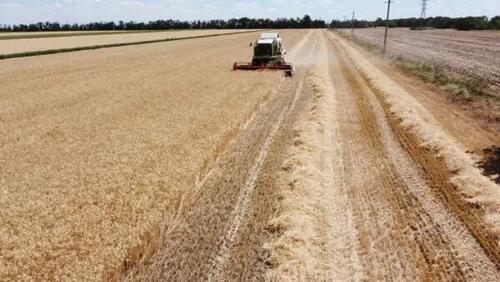
On the last day of January, the European Commission also proposed to renew the suspension of import duties and quotas on Ukrainian exports to the EU for another year but to cap the import of sensitive agricultural products from Ukraine—poultry, eggs, and sugar–at levels from 2022 and 2023, according to a statement.
If imports of these products exceeded the average import volumes in 2022 and 2023, “tariffs would be reimposed to ensure that import volumes do not significantly exceed those of previous years,” the statement said.
The EU lifted import duties on Ukrainian exports in 2022 following Russia’s invasion, the Commission said.
The measure proposed by the EU to create a mechanism to limit the rising imports of some foods is welcomed by Copa and Cogeca, but its members found it insufficient, the organization said in a statement.
Copa and Cogeca said that excluding cereals and oilseeds from the mechanism limiting imports from Ukraine is “unacceptable.”
“While we believe that it is in the EU’s duty and interest to continue supporting Ukraine, the solution to the current situation concerning the impact of the imports on EU producers must be effectively addressed,” Copa and Cogeca said.
The statement said that the EU’s two legislative bodies, the European Parliament and the Council of the European Union, comprised of ministers from each member country, will consider the proposal.
The organization called on both institutions to include cereals and oilseeds in the measure and use the yearly average of the two earlier years—2021 and 202—as the base to cap the imports from Ukraine.
Copa and Cogeca also demanded that any products imported above this threshold must be exported outside the EU.
Reuters contributed to this report.
Loading…