Authored by Andrew Korybko via Substack,
Russia finally captured the Ukrainian fortress town of Avdeevka following a protracted battle that ended in Kiev’s chaotic retreat and the abandonment of its wounded troops. The timing took place as the Western elite met in Germany for this year’s Munich Security Conference over the weekend, which conveniently enabled them to plan their next moves in this proxy war. No significant financial or military aid is expected, however, despite Ukraine’s newly clinched security pacts with Germany and France.
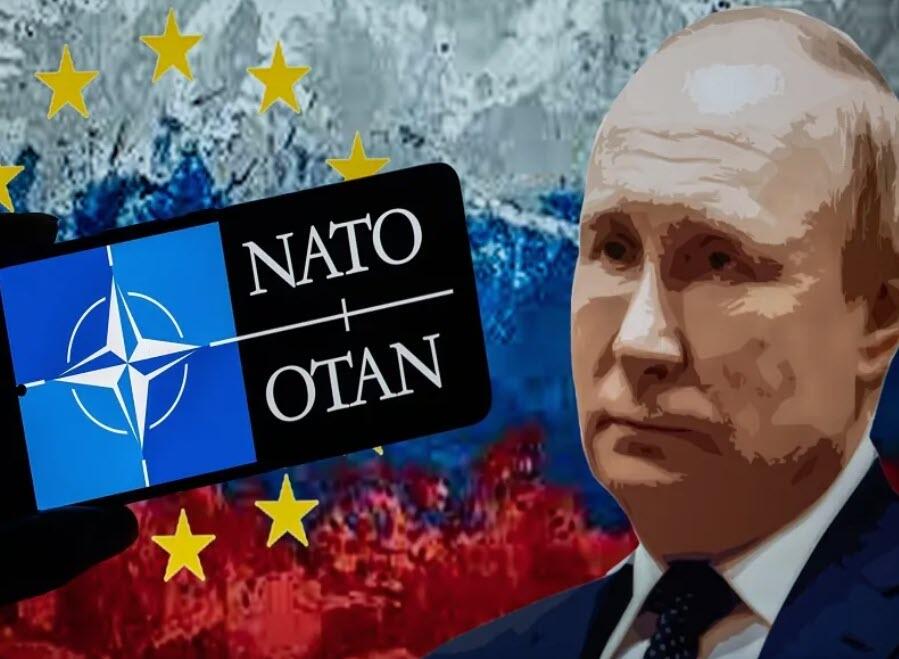
Rather, as was explained here earlier in the month when analyzing the latest Biden-Scholz Summit in DC, the West’s focus will be on the long-term containment of Russia in Europe beyond the borders of that former Soviet Republic. To that end, Germany’s role as the US’ preferred “Lead From Behind” partner in the EU will become more prominent, which will take the form of connecting the “military Schengen” with the revived Weimar Triangle in order to accelerate the construction of “Fortress Europe”.
The preceding three hyperlinked analyses explain these concepts more in depth as well as their relationship, but they can be summarized as Germany exploiting its comprehensive subordination of Poland to resume its long-lost superpower trajectory after a nearly eight-decade-long hiatus. The reason why the West’s attention will turn towards accelerating this geostrategic shift instead of clinging to its proxy war on Russia via Ukraine after Avdeevka is because it’s now clear that the latter is a lost cause.
Russia already won the “race of logistics”/“war of attrition” with NATO that Secretary General Stoltenberg declared almost exactly one year ago as proven by the counteroffensive’s failure and the subsequent reversal of this conflict’s dynamics whereby Ukraine is now once again on the defensive. Former Command-in-Chief Zaluzhny’s replacement Syrsky explicitly admitted this last week before the disastrous retreat from Avdeevka, which is regarded as Kiev’s last major fortress in Donbass.
The stage is now set for a forthcoming Russian offensive that could steamroll through the rest of this region in the best-case scenario from Moscow’s perspective and the worst-case one from the West’s. That’s not to say that this will indeed happen because the so-called “fog of war” makes it impossible to accurately discern Ukraine’s full defensive capabilities behind the Line of Contact (LOC), but it’s not without reason that the West is panicking and Zelensky decided to blame them for his latest defeat.
He complained that a so-called “artificial lack of weaponry” was responsible in an allusion to the congressional deadlock over more Ukraine aid, which Biden agreed with to pressure his political foes. Navalny’s unexpected death on Friday was taken advantage of by anti-Russian hawks to demand that the House pass the Senate’s proxy war funding bill when it resumes its session later this month, but even if it’s approved, the problem is that the US has already expended its stockpiles.
While it’s possible that it could dip into those reserves that it’s saved for meeting its national security needs and coerce its vassals into doing so as well, the fact of the matter is that the counteroffensive’s failure in spite of much larger aid given to Kiev up until then suggests that this won’t make a difference. Whatever might be sent would be used solely to hold the LOC as long as possible and prevent a Russian breakthrough in order to perpetuate the stalemate that Zaluzhny was the first to admit had set in by fall.
Truth be told, that description was inaccurate since the LOC continues gradually moving westward and the pace might speed up after Russia’s capture of Avdeevka. President Putin already signaled that he won’t stop until his security guarantee requests are met through military or diplomatic means after recently regretting that he hadn’t ordered the special operation to begin sooner and saying on Sunday after the fall of that Ukrainian fortress town that victory is “a matter of life and death” for Russia.
It remains unclear when and on what terms the conflict will end, but the writing is on the wall and it clearly reads that Russia’s security guarantee requests will be met to some extent or another, ergo why the West is now planning for a decades-long “confrontation” with Russia per Stoltenberg’s own words. Therein lies the significance of the geostrategic shift that was identified earlier in this analysis regarding Germany’s role as the US’ top “Lead From Behind” partner for containing Russia in Europe.
In furtherance of that goal, NATO’s continental-wide “Steadfast Defender 2024” drills – the largest since the end of the Old Cold War – will be aimed at optimizing the partial implementation of the “military Schengen” between Germany, Poland, and the Netherlands, which France is expected to soon join. The Baltics will likely also participate as well given that they require support for building their so-called “Baltic Defense Line”, which could extend up to the Arctic if Finland gets involved too as expected.
The revived Weimar Triangle comes into play since Germany requires French backing because Berlin can’t realistically do all of this on its own, which in turn necessitated Poland’s military subordination to its western neighbor via the abovementioned logistics pact between them. A military corridor from France to Estonia, which could reach Finland via Denmark-Sweden (the second of whom is a NATO aspirant and expected to join this new “Schengen”), is therefore taking shape before the world’s eyes.
Russia’s capture of Avdeevka will therefore reverberate across Europe by accelerating the implementation of these long-term containment plans seeing as how NATO’s proxy war on it through Ukraine is obviously a lost cause after the fall of that former Soviet Republic’s latest fortress town. It’s this geostrategic dynamic that observers should pay more attention to than anything else since the resumption of Germany’s long-lost superpower trajectory is a development of global significance.
Authored by Andrew Korybko via Substack,
Russia finally captured the Ukrainian fortress town of Avdeevka following a protracted battle that ended in Kiev’s chaotic retreat and the abandonment of its wounded troops. The timing took place as the Western elite met in Germany for this year’s Munich Security Conference over the weekend, which conveniently enabled them to plan their next moves in this proxy war. No significant financial or military aid is expected, however, despite Ukraine’s newly clinched security pacts with Germany and France.
Rather, as was explained here earlier in the month when analyzing the latest Biden-Scholz Summit in DC, the West’s focus will be on the long-term containment of Russia in Europe beyond the borders of that former Soviet Republic. To that end, Germany’s role as the US’ preferred “Lead From Behind” partner in the EU will become more prominent, which will take the form of connecting the “military Schengen” with the revived Weimar Triangle in order to accelerate the construction of “Fortress Europe”.
The preceding three hyperlinked analyses explain these concepts more in depth as well as their relationship, but they can be summarized as Germany exploiting its comprehensive subordination of Poland to resume its long-lost superpower trajectory after a nearly eight-decade-long hiatus. The reason why the West’s attention will turn towards accelerating this geostrategic shift instead of clinging to its proxy war on Russia via Ukraine after Avdeevka is because it’s now clear that the latter is a lost cause.
Russia already won the “race of logistics”/“war of attrition” with NATO that Secretary General Stoltenberg declared almost exactly one year ago as proven by the counteroffensive’s failure and the subsequent reversal of this conflict’s dynamics whereby Ukraine is now once again on the defensive. Former Command-in-Chief Zaluzhny’s replacement Syrsky explicitly admitted this last week before the disastrous retreat from Avdeevka, which is regarded as Kiev’s last major fortress in Donbass.
The stage is now set for a forthcoming Russian offensive that could steamroll through the rest of this region in the best-case scenario from Moscow’s perspective and the worst-case one from the West’s. That’s not to say that this will indeed happen because the so-called “fog of war” makes it impossible to accurately discern Ukraine’s full defensive capabilities behind the Line of Contact (LOC), but it’s not without reason that the West is panicking and Zelensky decided to blame them for his latest defeat.
He complained that a so-called “artificial lack of weaponry” was responsible in an allusion to the congressional deadlock over more Ukraine aid, which Biden agreed with to pressure his political foes. Navalny’s unexpected death on Friday was taken advantage of by anti-Russian hawks to demand that the House pass the Senate’s proxy war funding bill when it resumes its session later this month, but even if it’s approved, the problem is that the US has already expended its stockpiles.
While it’s possible that it could dip into those reserves that it’s saved for meeting its national security needs and coerce its vassals into doing so as well, the fact of the matter is that the counteroffensive’s failure in spite of much larger aid given to Kiev up until then suggests that this won’t make a difference. Whatever might be sent would be used solely to hold the LOC as long as possible and prevent a Russian breakthrough in order to perpetuate the stalemate that Zaluzhny was the first to admit had set in by fall.
Truth be told, that description was inaccurate since the LOC continues gradually moving westward and the pace might speed up after Russia’s capture of Avdeevka. President Putin already signaled that he won’t stop until his security guarantee requests are met through military or diplomatic means after recently regretting that he hadn’t ordered the special operation to begin sooner and saying on Sunday after the fall of that Ukrainian fortress town that victory is “a matter of life and death” for Russia.
It remains unclear when and on what terms the conflict will end, but the writing is on the wall and it clearly reads that Russia’s security guarantee requests will be met to some extent or another, ergo why the West is now planning for a decades-long “confrontation” with Russia per Stoltenberg’s own words. Therein lies the significance of the geostrategic shift that was identified earlier in this analysis regarding Germany’s role as the US’ top “Lead From Behind” partner for containing Russia in Europe.
In furtherance of that goal, NATO’s continental-wide “Steadfast Defender 2024” drills – the largest since the end of the Old Cold War – will be aimed at optimizing the partial implementation of the “military Schengen” between Germany, Poland, and the Netherlands, which France is expected to soon join. The Baltics will likely also participate as well given that they require support for building their so-called “Baltic Defense Line”, which could extend up to the Arctic if Finland gets involved too as expected.
The revived Weimar Triangle comes into play since Germany requires French backing because Berlin can’t realistically do all of this on its own, which in turn necessitated Poland’s military subordination to its western neighbor via the abovementioned logistics pact between them. A military corridor from France to Estonia, which could reach Finland via Denmark-Sweden (the second of whom is a NATO aspirant and expected to join this new “Schengen”), is therefore taking shape before the world’s eyes.
Russia’s capture of Avdeevka will therefore reverberate across Europe by accelerating the implementation of these long-term containment plans seeing as how NATO’s proxy war on it through Ukraine is obviously a lost cause after the fall of that former Soviet Republic’s latest fortress town. It’s this geostrategic dynamic that observers should pay more attention to than anything else since the resumption of Germany’s long-lost superpower trajectory is a development of global significance.
Loading…