Congress is laying the groundwork for what a key Republican hopes will foster bipartisan legislation this year to combat foreign-maligned threats facing American drivers.
Federal lawmakers have found consensus in combating China’s ability to collect and weaponize data through U.S. transportation systems like toll roads and traffic cameras, despite being in opposing lanes on the root causes and solutions.
Former senior cybersecurity officials and experts on China and the long-haul trucking industry warned lawmakers on the House Judiciary Committee on Wednesday of the sweeping Chinese ties to technology systems used in the U.S. transportation industry.
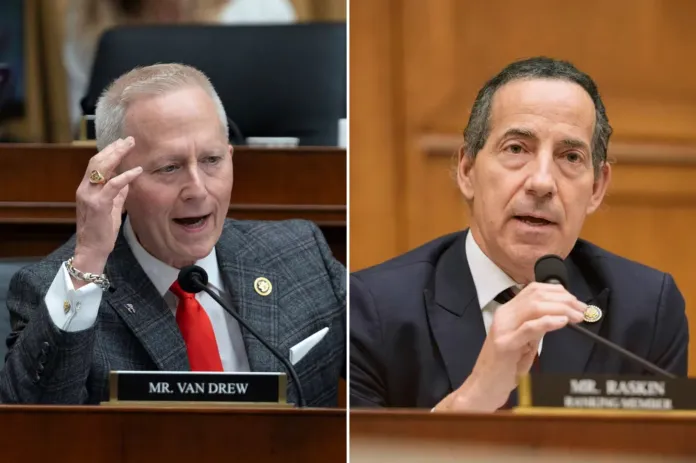
“There’s two things I always say that inspire politicians,” Rep. Jeff Van Drew (R-NJ), who led the hearing, later told the Washington Examiner. “One of them is money. This has nothing directly to do with money. But the second thing is votes. And I think when people hear about this, they’re going to expect their elected representatives at every level to be doing more to get this under control.”
The Department of Homeland Security estimated last year that there were 12,000 Chinese-made internet-connected cameras used in the United States that could be used by China to “conduct espionage or disrupt U.S. critical infrastructure.” And beyond traffic cameras and toll systems used by states and localities across the country, growing technologies like autonomous vehicles and EV chargers also pose risks.
Rep. Jamie Raskin (D-MD), the committee’s top Democrat, deemed the topic a “valid and meaningful subject of inquiry, and I’d salute the chairman for this initiative.”
But the ensuing rhetoric offered the latest reminder that with any policy issue in Congress, much less in an election year, passing legislation on topics that even garner bipartisan agreement is no easy task. And only a handful of lawmakers attended the Wednesday afternoon hearing held by a subcommittee, the nature and timing of which meant reduced exposure to TV cameras, reporters, and even fellow policymakers.
Raskin and Rep. Jasmine Crockett (D-TX), who is running for Senate, accused President Donald Trump and his administration of exacerbating the issue with personnel cuts and inadequate funding for cybersecurity agencies tasked with combating malicious foreign actors.
“The politicization of our federal agencies has left state and private officials reluctant to trust and share information with our federal government,” Crockett said.
Raskin said the administration “gutted safeguards,” was rife with conflicts of interest from Trump’s business ventures with Chinese ties, such as his family’s cryptocurrency, and likened the president’s approach to cybersecurity to “a coach who’s friendly with the coaches of foreign teams and then suddenly takes his goalie off net.”
“I’m not sure, but I have this sneaking suspicion, this intuitive feeling, the other side doesn’t like President Trump all that much,” Van Drew quipped to his Democratic colleagues at the hearing.
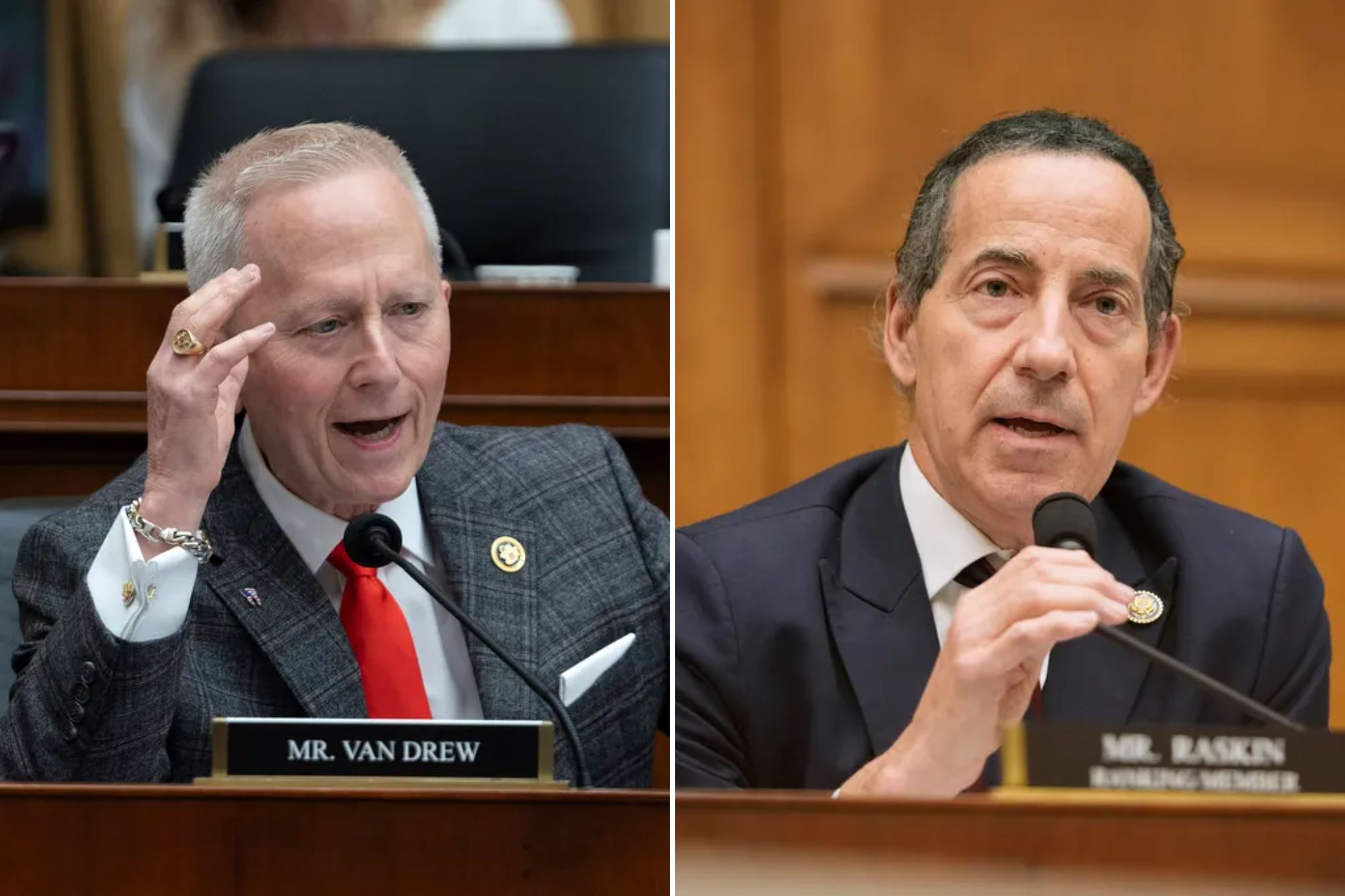
Pending detailed written policy proposals from the expert witnesses, Van Drew cited the need for federal restrictions on state and local government purchases of Chinese-made products, as well as incentives to purchase from domestic manufacturers and to help close any technology gap that may exist with U.S.-made products.
“At the very least, we should be not subsidizing or incentivizing or helping in any way these Chinese countries,” Van Drew told the Washington Examiner.
But policy priorities on both sides of the aisle could hamstring bipartisan efforts and be perceived by opponents as poison pills.
THEY HELPED CHINA PUSH PROPAGANDA. THEN THEY BECAME FEDS
Republicans want to codify into law a Trump executive order requiring stricter enforcement of federal regulations mandating that semi-truck drivers, known as commercial driver’s license holders, be proficient in English to comprehend road signs and communicate with law enforcement. And Democrats want more guardrails targeting Trump’s financial conflicts of interest abroad during his remaining time in the Oval Office.
“I would love to see it in this session” of Congress that ends in early January 2027, Van Drew said. “What’s disturbing sometimes in Congress is how difficult it is to get good things accomplished.”