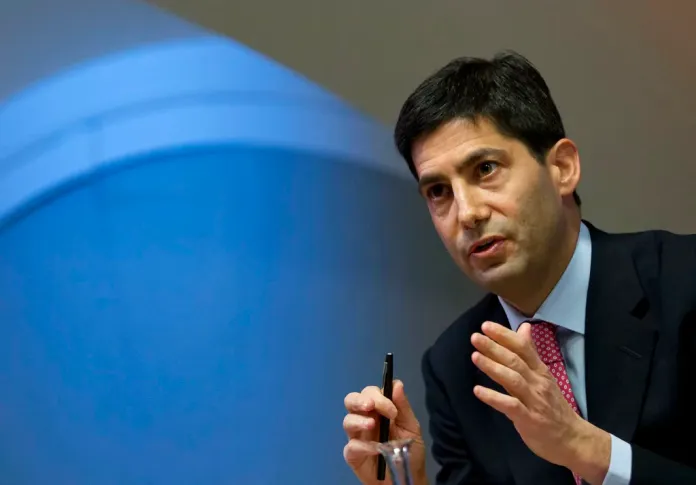
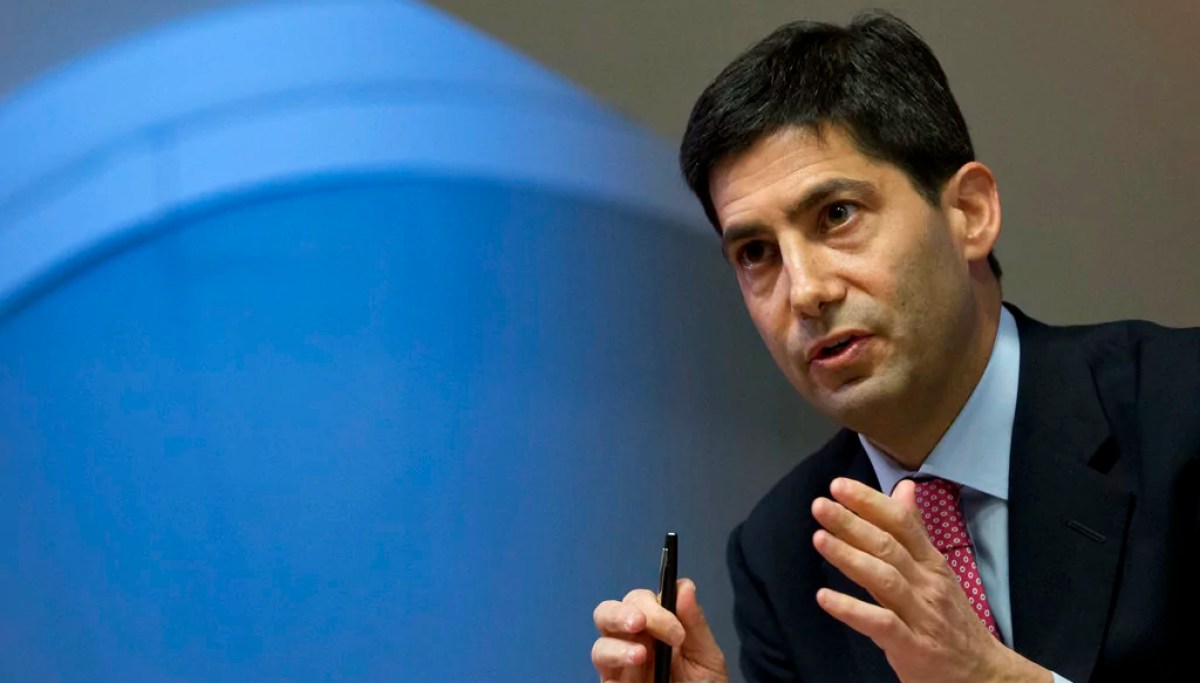
President Donald Trump has named former Federal Reserve governor Kevin Warsh to be the next Federal Reserve chairman.
Warsh, 55, would replace current Fed Chairman Jerome Powell when his term is up. The pick was announced in advance of Powell’s departure in May, as expected by Fed watchers.
“I have known Kevin for a long period of time, and have no doubt that he will go down as one of the GREAT Fed Chairmen, maybe the best,” Trump said in his announcement Friday.
Warsh was the youngest person to be appointed as a Fed governor. He was named to the institution at 35. He is currently a fellow at the Hoover Institution and a lecturer at the Stanford Graduate School of Business.
INFLATION AND AFFORDABILITY LOOM OVER MIDTERM ELECTIONS
Trump has railed against Powell for months, arguing that the Fed hasn’t lowered interest rates quickly enough. Warsh would likely push more aggressively for looser monetary policy.
Most Fed watchers had expected that Trump would either choose Warsh, BlackRock chief fixed-income strategist Rick Rieder, or National Economic Council Director Kevin Hassett to lead the central bank.
Trump addressed the other names that had been floated in subsequent social media posts Friday morning, calling Hassett, “indescribably good.”
“Their was great speculation that highly respected Kevin Hassett was going to be named Chairman of the Fed, and a great Chairman he would have been but, quite honestly, he is doing such an outstanding job working with me and my team at the White House, that I just didn’t want to let him go,” Trump wrote.
He made similar comments about Rieder, saying he and all the others interviewed for the job “would have been outstanding, and have a great and unlimited future with “TRUMP.”
Warsh is a bit of an outsider in the sense that he has not been a public policymaker for over a decade. Still, he was on the Board of Governors throughout the Great Recession and has been a prominent name in the finance and economics world for quite some time.
The Fed has been cutting interest rates in recent months, even if more slowly than Trump prefers. The central bank pared interest rates back by a modest quarter of a percentage point at several meetings in 2025, but held off on cutting rates again in January.
President George W. Bush nominated Warsh to the Fed board in 2006, and he served in the role under President Barack Obama as well. A big chunk of his time at the Fed overlapped the 2008 financial crisis and the Great Recession. After leaving the central bank, Warsh worked as a distinguished visiting fellow at Stanford University’s Hoover Institution.
Warsh has faced some criticism for his handling of the 2008 financial crisis and its fallout. At that time, the Fed took extraordinary actions to intervene in the economy and to prop up the markets. Unemployment was spiraling, and then-Fed Chairman Ben Bernanke spearheaded looser money policies that Warsh panned at the time as being possibly inflationary.
Warsh appeared overly fixated on inflation during a time when unemployment was rising and the economy was collapsing. Some argue that if he had his way, unemployment would have gotten even worse than it did.
Warsh is a pick that will likely reassure markets, which might have been hesitant with a Hassett pick “because of his tendency to parrot administration talking points,” according to Mark Hamrick, senior economic analyst at Bankrate.
The situation with Powell’s replacement became a bit more complicated this month after it was revealed that the Department of Justice launched a criminal investigation into him. Powell announced that the central bank recently received grand jury subpoenas related to testimony he gave to the Senate last year about renovation cost overruns of the Fed headquarters building in Washington, D.C.
Powell said the inquiry was a pretext to pressure him to lower interest rates, threatening the Fed’s independence.
Retiring Sen. Thom Tillis (R-NC), a member of the Senate Banking Committee, vowed to block Trump’s nominees to the Fed and whoever he nominates to replace Powell until the legal matter has concluded.