
NEWYou can now listen to Fox News articles!
The indirect nuclear talks between the U.S. and Iran mediated by Oman were “very good,” according to President Donald Trump.
“Iran looks like it wants to make a deal very badly. We’ll have to see what that deal is. But I think Iran looks like they want to make a deal very badly, as they should. Last time they decided maybe not to do it, but I think they probably feel differently,” Trump told reporters aboard Air Force One on Friday.
The president added that the U.S. had a “big Armada” heading towards Iran, something he has spoken about in the past.
When he was pressed on how long the U.S. would be willing to wait to make a deal with Iran, the president indicated some flexibility, saying that he believes the two nations can reach an agreement.
TRUMP WARNS IRAN, DELAYS STRIKES AS RED LINE DEBATE ECHOES OBAMA’S SYRIA MOMENT
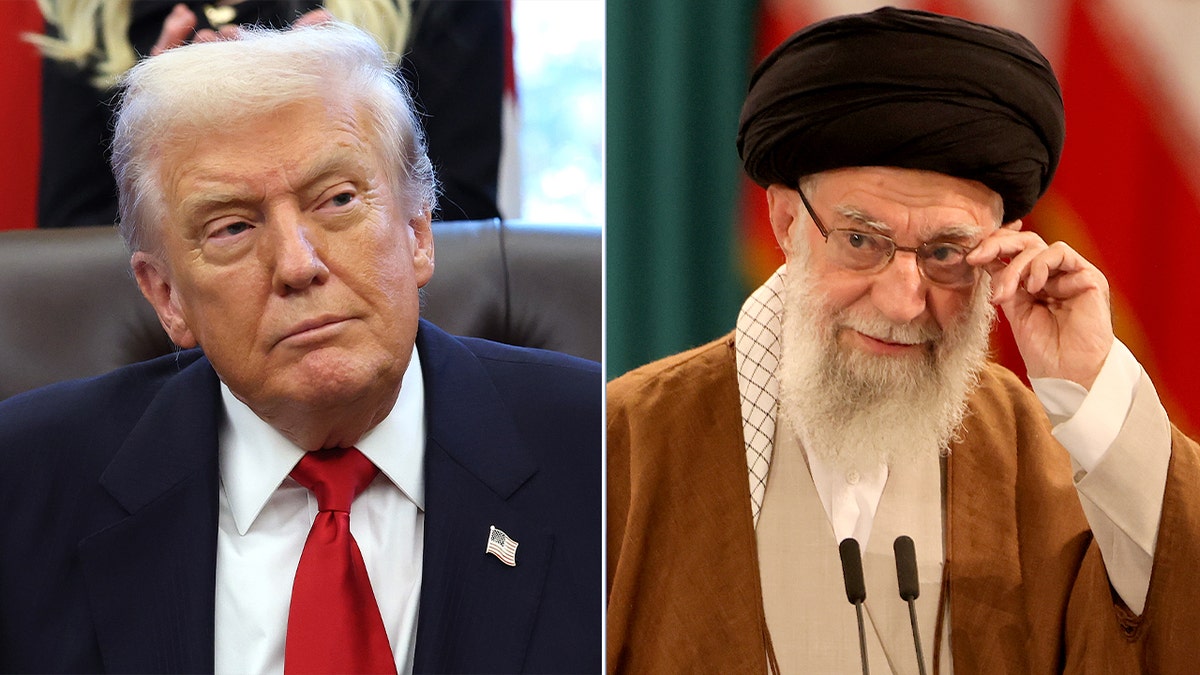
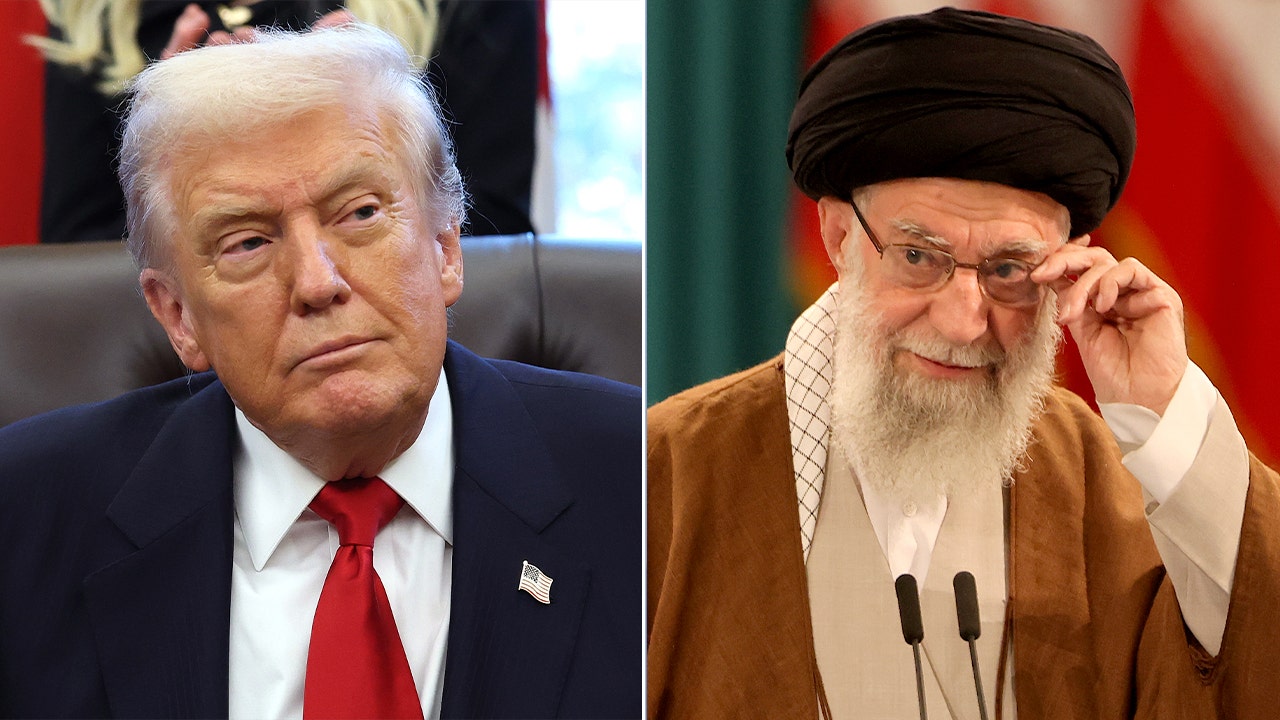
President Donald Trump said indirect nuclear talks with Iran were “very good” and that Tehran “wants to make a deal very badly.” (Anna Moneymaker/Getty Images; Atta Kenare/AFP via Getty Images)
“It can be reached. Well, we have to get in position. We have plenty of time. If you remember Venezuela, we waited around for a while, and we’re in no rush. We have very good [talks] with Iran,” Trump said.
“They know the consequences if they don’t make a deal. The consequences are very steep. So we’ll see what happens. But they had a very good meeting with a very high representative of Iran,” the president added.
American and Iranian representatives held separate meetings with Omani officials on Friday amid flaring tensions between Washington and Tehran. Oman’s Foreign Ministry said that the meetings were “focused on preparing the appropriate conditions for resuming diplomatic and technical negotiations.”
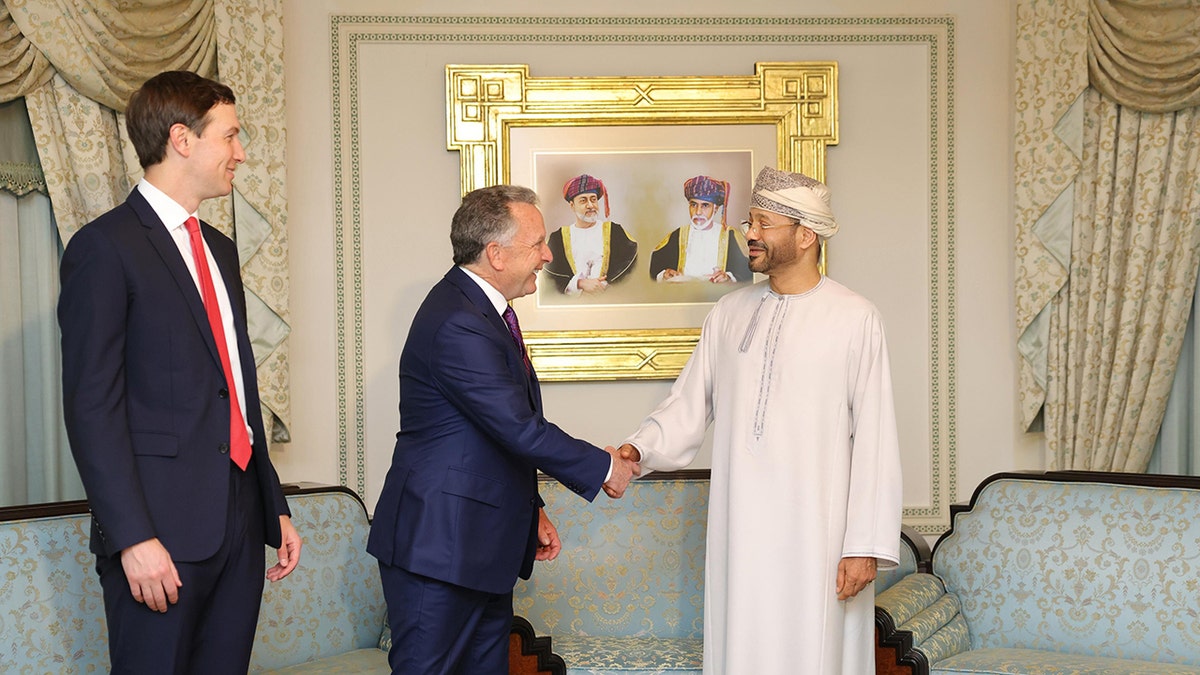
Omani Foreign Minister Sayyid Badr Hamad Al Busaidi, President Donald Trump’s special envoy, Steve Witkoff and U.S. negotiator Jared Kushner meet ahead of the U.S.-Iran talks, in Muscat, the capital of Oman, on Feb. 6, 2026. (Oman Foreign Ministry/Anadolu via Getty Images)
On Friday, Iranian Foreign Minister Abbas Araghchi said that indirect nuclear talks were “a good start” and that there was a “consensus” that the negotiations would continue.
“After a long period without dialogue, our viewpoints were conveyed, and our concerns were expressed. Our interests, the rights of the Iranian people, and all matters that needed to be stated were presented in a very positive atmosphere, and the other side’s views were also heard,” Araghchi said.
“It was a good start, but its continuation depends on consultations in our respective capitals and deciding on how to proceed,” he added.
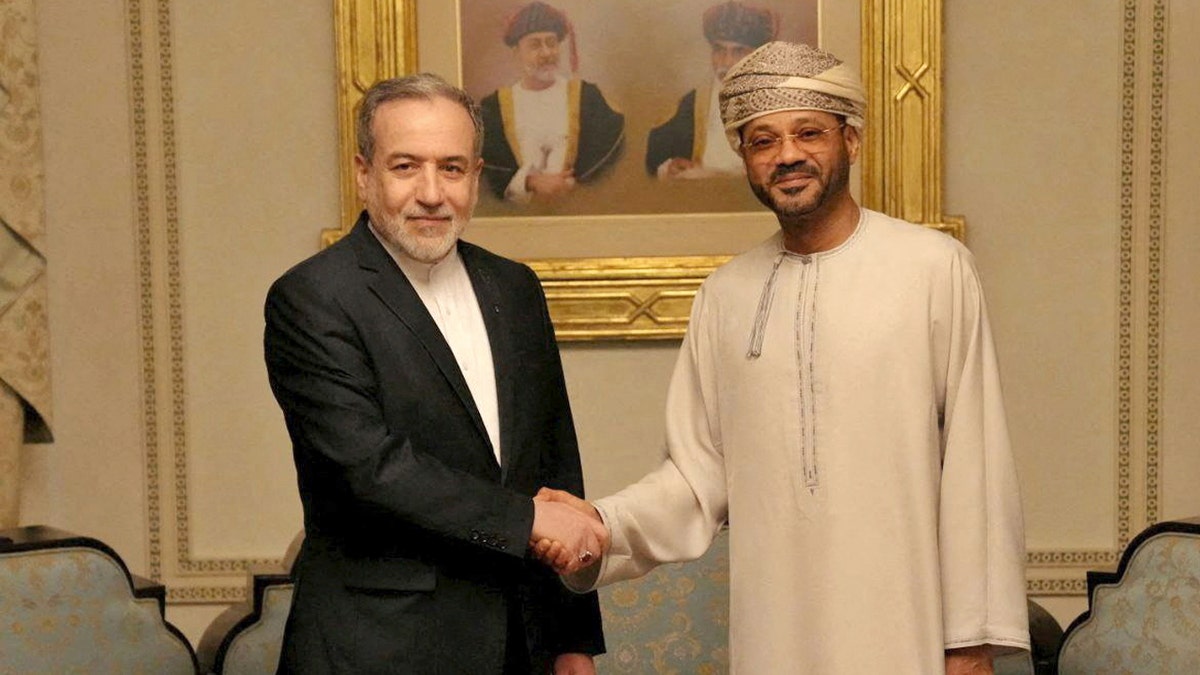
Iranian Foreign Minister Abbas Araghchi meets with Omani Foreign Minister Badr al-Busaidi in Muscat, Oman, Feb. 6, 2026. (Iranian Foreign Ministry/WANA (West Asia News Agency)/ Handout via Reuters)
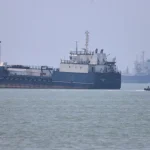
IRAN SEIZES OIL TANKERS, THREATENS ‘MASSACRE’ IN STRAIT OF HORMUZ HOURS BEFORE US TALKS
While both sides expressed optimism about a possible deal, the U.S. moved to impose fresh sanctions on Iran after the talks. The State Department announced that the U.S. was sanctioning “15 entities, two individuals and 14 shadow fleet vessels connected to the illicit trade in Iranian petroleum, petroleum products, and petrochemical products.”
“Instead of investing in the welfare of its own people and crumbling infrastructure, the Iranian regime continues to fund destabilizing activities around the world and step up its repression inside Iran,” the statement read.
CLICK HERE TO DOWNLOAD THE FOX NEWS APP
“So long as the Iranian regime attempts to evade sanctions and generate oil and petrochemical revenues to fund such oppressive behavior and support terrorist activities and proxies, the United States will act to hold both the Iranian regime and its partners accountable.”
The Iranian Foreign Ministry did not immediately respond to a Fox News Digital request for comment on the sanctions.