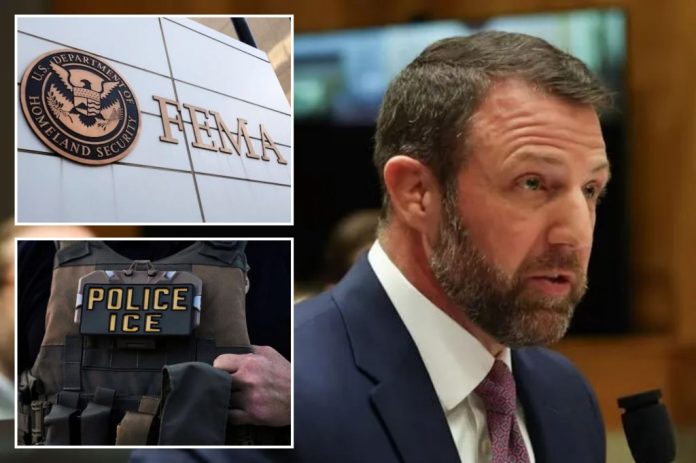
Sen. Markwayne Mullin (R-OK) promised to make a number of changes in how Department of Homeland Security agencies operate if confirmed as secretary, assuring lawmakers during his confirmation hearing on Wednesday that he would calm the controversies that surrounded the DHS under his predecessor.
Mullin tried to appeal to his Republican and Democratic colleagues during his Senate confirmation hearing with repeated vows to address the federal government’s immigration enforcement and natural disaster response following a brutal year of press under outgoing Secretary Kristi Noem.
“My goal in six months is that we’re not in the lead story every single day,” Mullin, 48, told the Senate Homeland Security and Governmental Affairs Committee. “My goal is for people to understand we’re out there. We’re protecting them, and we’re working with them. My goal is to make every one of you guys proud.”
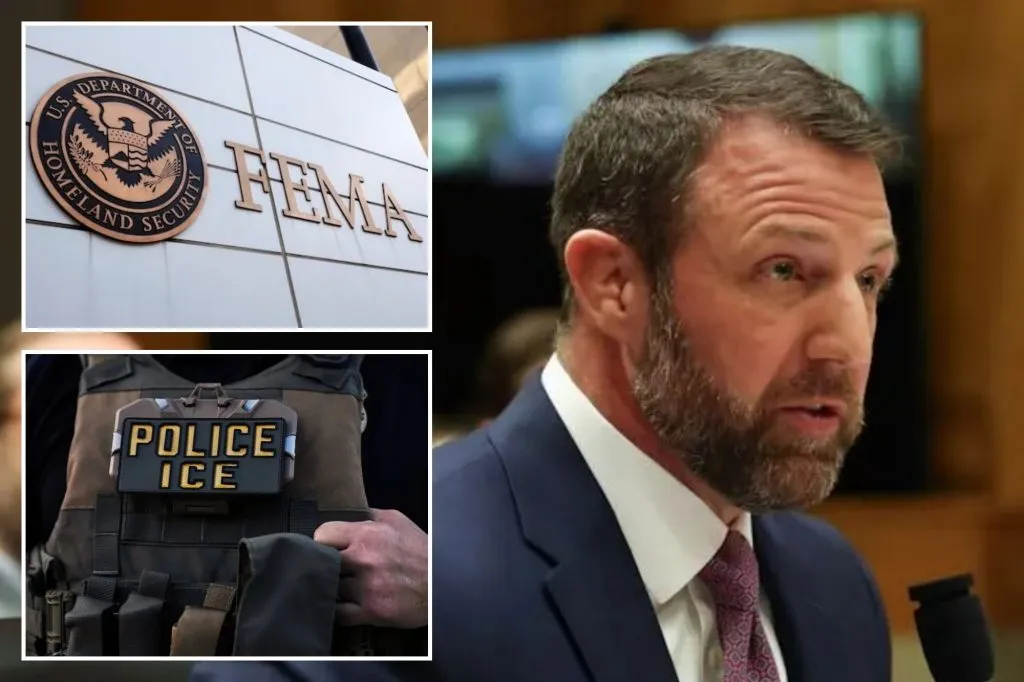
DHS agencies, including the Federal Emergency Management Agency and Immigration and Customs Enforcement, topped Mullin’s list of agencies that need immediate attention.
Free up FEMA
Mullin said he would rescind Noem’s unprecedented requirement that she and special government employee Corey Lewandowski personally review and approve all DHS contracts exceeding $100,000. That move in and of itself has held up billions of dollars’ worth of contracts across the department’s nearly two dozen agencies, crippling the agencies as they try to implement the Trump administration’s agenda.
“That’s called micromanaging,” Mullin said. “I’m not a micromanager.”
Sen. Andy Kim (D-NJ) noted that DHS has operated for nearly 14 months under Noem’s instruction “to eliminate FEMA,” which she later clarified as having meant that she intended to “get rid of FEMA the way it exists today.” Noem made little progress overhauling FEMA during that time, but she did significantly cut staff at FEMA, hurting the agency’s ability to respond to disasters nationwide.
“I think it needs to be restructured, not eliminated,” Mullin said. “I think there is going to be bipartisan support for reforms.”
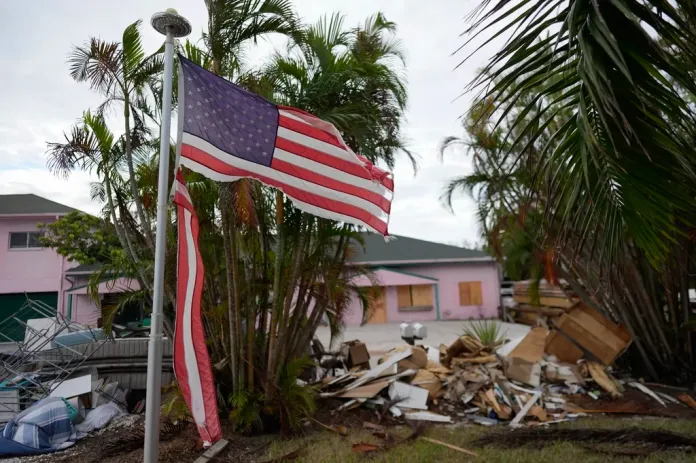
That comment boded well for senators who believe the agency has a legitimate purpose supporting survivors of natural disasters, including floods, hurricanes, fires, and tornadoes.
FEMA remains without a Senate-confirmed leader. Mullin pointedly asked his colleagues to give a future FEMA nominee a “fair shake” and promised to bring someone who was “capable” and experienced.
Despite his vows to help FEMA, Mullin has a record of repeatedly voting against FEMA funding for victims of Hurricane Sandy in 2012. However, Mullin was quick to request FEMA funding following storms in his home state of Oklahoma in 2024.
Changing ICE’s presence in communities
Mullin advocated that ICE prioritize arresting illegal immigrants who are already in jail or prison, rather than going into communities nationwide and searching for specific individuals who are at-large.
“I would love to see ICE become a transport more than the front line,” he said. “If we get back to just simply working with law enforcement, we’re going to them, and we’re picking up these criminals from their jail.”
That change, coupled with covering costs incurred by county jails detaining criminal illegal immigrants, could happen without any action from Congress.
Between June 2025 and January 2026, Noem and Lewandowski allowed a Border Patrol official based in California, Greg Bovino, to lead Border Patrol’s immigration enforcement efforts in a handful of cities, including Los Angeles, Portland, Chicago, Charlotte, New Orleans, and Minneapolis.
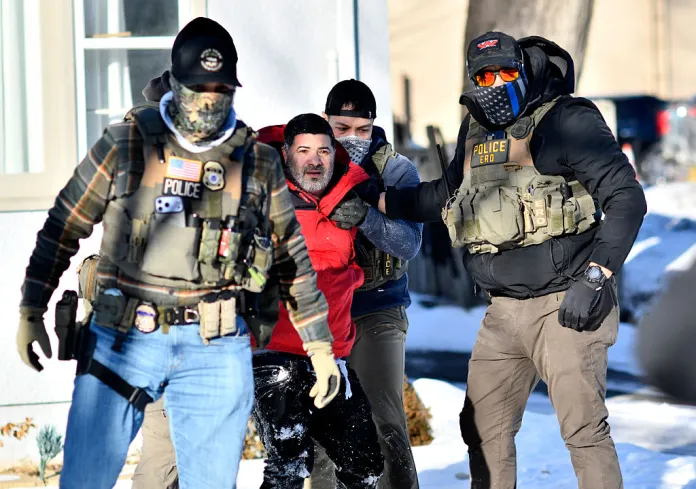
Unlike how ICE operates — officers with ICE go into a community to find a specific individual — Border Patrol descended on businesses and sites that agents suspected may be prime locations to find illegal immigrants, such as Home Depot, where people not authorized to work in the country frequently seek out odd jobs.
Border Patrol was accused of racial profiling and became increasingly aggressive against activists and rioters who impeded its operations in Chicago and Minneapolis. Two U.S. citizen activists were fatally shot by employees of ICE and Customs and Border Protection in January.
Trump sent in White House border czar Tom Homan to Minneapolis from parts of January into February to centralize command of all immigration enforcement operations. Homan vowed that all enforcement going forward would be targeted, meaning that federal law enforcement would leave government facilities looking for a specific illegal immigrant, not just anyone they suspected of being in the country illegally.
He also secured deals with the state and county sheriffs to access prisons and jails, respectively, to transfer immigrants in custody to federal detention, rather than having to find an individual after they have been released from custody.
Mullin’s proposals for ICE suggested that he is supportive of Homan’s changes toward working with Democratic leaders of sanctuary cities and states, which are places that have imposed policies that curtail local or state police from working with ICE to transfer people in custody.
TEXAS DEMOCRATS AND REPUBLICANS UNITE TO BLOCK BORDER WALL IN BIG BEND NATIONAL PARK
“They still love their community. They still love their cities. They still love this country,” Mullin said. “So maybe it’s a misunderstanding we can work by, and I’m going to start with that. That’s what I’m going to start with. If we have to do something different, then we will.”
Mullin is expected to be confirmed by his Senate colleagues during a vote on Thursday.