The Federal Communications Commission gave its blessing to the $6.2 billion Nexstar-Tegna merger on Thursday, shortly after eight attorneys general from blue states sought to block the deal in a federal antitrust lawsuit.
The now-finalized merger is set to create the largest operator of local television stations in the nation.
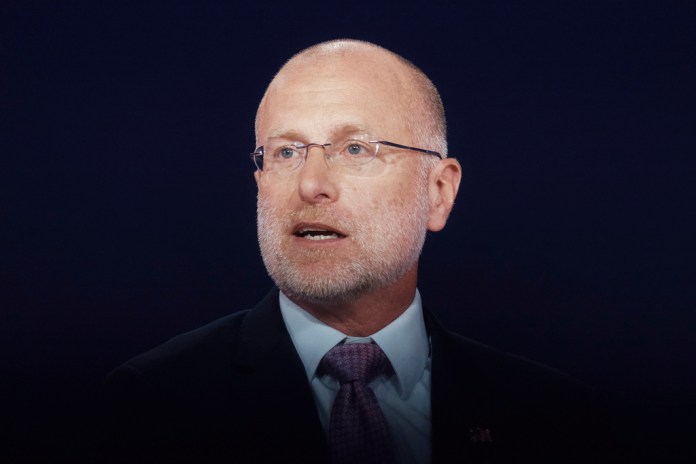
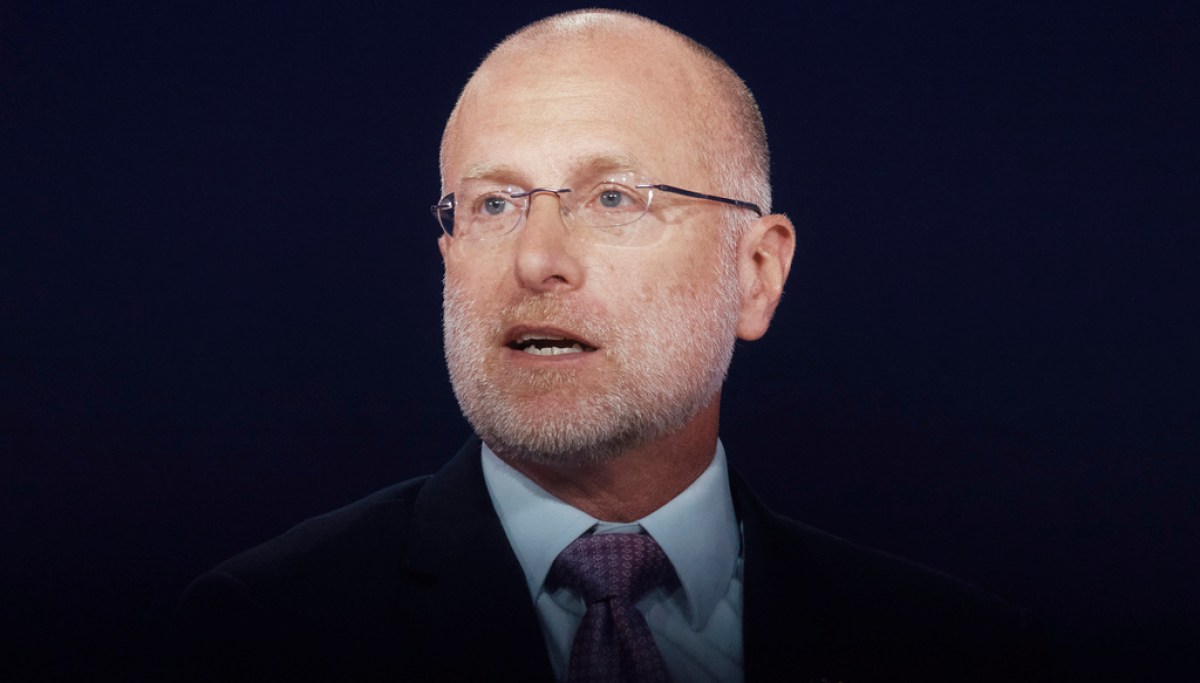
Nexstar owns more than 200 local television stations, more than any other broadcaster in that space. Tegna owns only 64 stations, meeting the federal rule that broadcasters reach no more than 39% of U.S. households. The FCC, led by Trump-appointed chairman Brendan Carr, waived that rule in approving the merger.
Nexstar will now own less than 15% of U.S. television stations despite having a massive portfolio that reaches more than half of U.S. households.
The commission says the merger helps promote the FCC’s media policy goals of competition, localism, and diversity.
“For too long, the FCC stood by while newspapers closed by the dozen in communities all across the country,” Carr said in a statement. “Those trusted sources of local news and information shuttered while the FCC dithered. If you care about local news, you should care about the future of local broadcast TV stations. Often, they are the ones in a market doing the gumshoe reporting that citizens value and need.”
“By approving this transaction … the FCC acts mindful of the media marketplace that exists today—not the one from decades past—and the agency ensures that these broadcasters have the resources to continue investing in their local news operations,” he added.
President Donald Trump publicly endorsed the merger in February, backtracking on his previous skepticism. In a Truth Social post, he framed the deal as a possible tool to compete against the “Fake News National TV Networks” and told the parties involved to “GET THAT DEAL DONE!”
The Department of Justice joined the FCC in approving the merger, according to Nexstar.
“We are grateful to President Trump, Chairman Carr, and the DOJ for recognizing the dynamic forces shaping the media landscape and enabling this transaction to move forward,” Nexstar CEO Perry Sook said in a press release announcing his company’s acquisition of Tegna had been closed.
Before the announcements, California led a multistate lawsuit in an effort to halt the Nexstar-Tegna merger based on federal antitrust law. The argument was that the then-proposed merger would lead to higher pay-television prices and reduce newsroom jobs by combining both broadcasters. Separately, DirecTV filed a similar complaint.
California was joined by New York, Colorado, Connecticut, Illinois, North Carolina, Oregon, and Virginia in the litigation.
BIPARTISAN UNEASE SURFACES AT SENATE HEARING ON NEXSTAR-TEGNA MERGER
FCC Commissioner Anna Gomez, the sole Democrat on the agency panel, voiced her opposition to the now-approved merger.
“This merger was approved behind closed doors with no open process, no full Commission vote, and no transparency for the consumers and communities who will bear the consequences,” she said. “The consequences of this rubber stamp approval will be felt in living rooms and newsrooms across the country, resulting in fewer voices, less competition, and higher costs for consumers.”