The bipartisan Problem Solvers Caucus announced Wednesday a new anti-gerrymandering working group aimed at restoring electoral fairness amid a nationwide, mid-decade redistricting war.
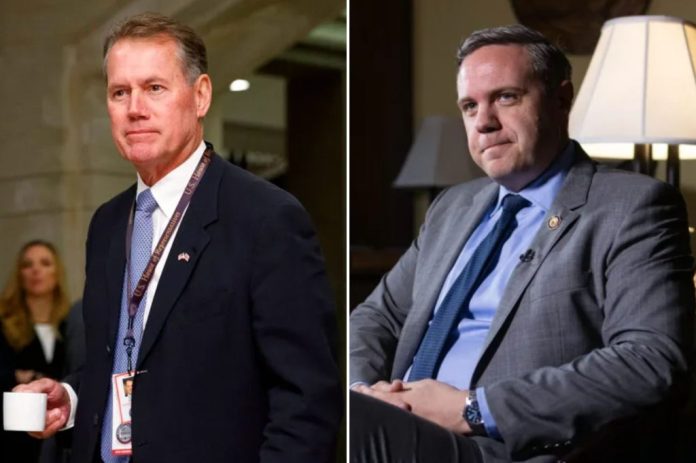
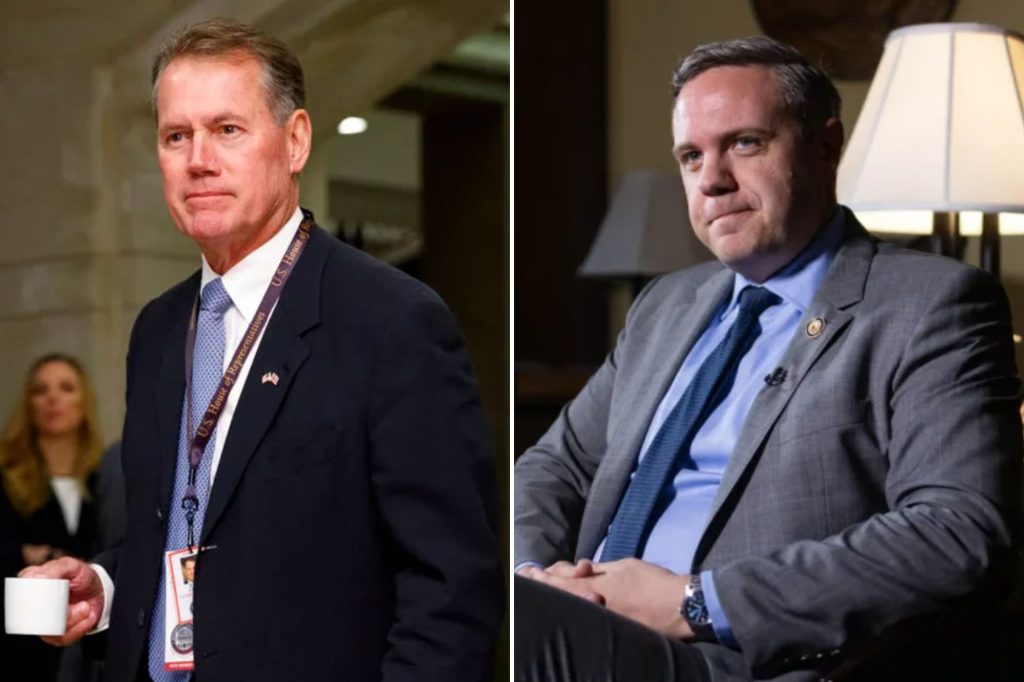
Problem Solvers Caucus Co-Chairs Brian Fitzpatrick (R-PA) and Tom Suozzi (D-NY) tapped Reps. Jeff Hurd (R-CO) and Ed Case (D-HI) to lead the task force, which will seek to address “extreme partisan gerrymandering.”
“Congressional representation should reflect the people and communities being served, not the political interests of whoever happens to be in power,” Hurd said in a statement announcing the working group. “Neither party should be able to manipulate district lines to guarantee outcomes or insulate politicians from accountability. The goal should be durable, commonsense standards that people trust regardless of which party benefits in any given cycle.”
The group will be made up of 10 lawmakers, including Hurd and Case, from both sides of the aisle. Reps. Nick LaLota (R-NY), Debbie Dingell (D-MI), Mike Lawler (R-NY), Salud Carbajal (D-CA), Darren Soto (D-FL), Ryan Mackenzie (R-PA), Donald Norcross (D-NJ), and Chuck Edwards (R-NC) make up the rest of the group.
“Voters should choose their representatives, not the other way around,” Case said. “These hyperpartisan gerrymandering wars are destructive to democracy because they effectively disenfranchise large segments of our electorate and balkanize our nation into a state of perpetual partisan warfare. We need a Washington that truly represents the American people and works together to solve tough issues, not politicians endlessly pulled and beholden to irreconcilable extremes.”
The formation of the bipartisan coalition comes after several states, including Texas and California, have redrawn their congressional maps ahead of the 2026 elections as Republicans and Democrats vie for control of the House in November.
TRUMP ENDORSEMENT TRACKER: HERE’S WHO THE PRESIDENT HAS PICKED IN GOP MIDTERM ELECTION PRIMARIES
The Supreme Court landmark ruling in Louisiana v. Callais shook up a congressional map even more and opened the door for multiple red states in the South, including Tennessee and Alabama, to move to redraw their own maps.
However, federal judges on Tuesday blocked Alabama Republicans’ plan to install a new congressional map that sought to eliminate one of two remaining Democratic-leaning districts. Alabama Republicans currently hold five seats, while Democrats hold two.