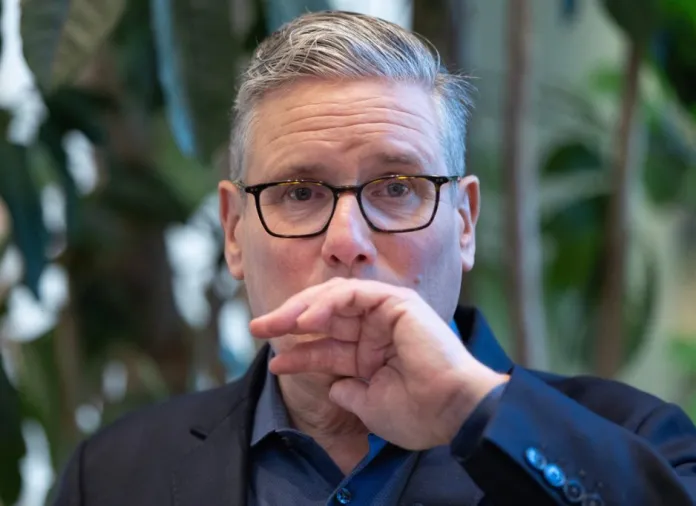
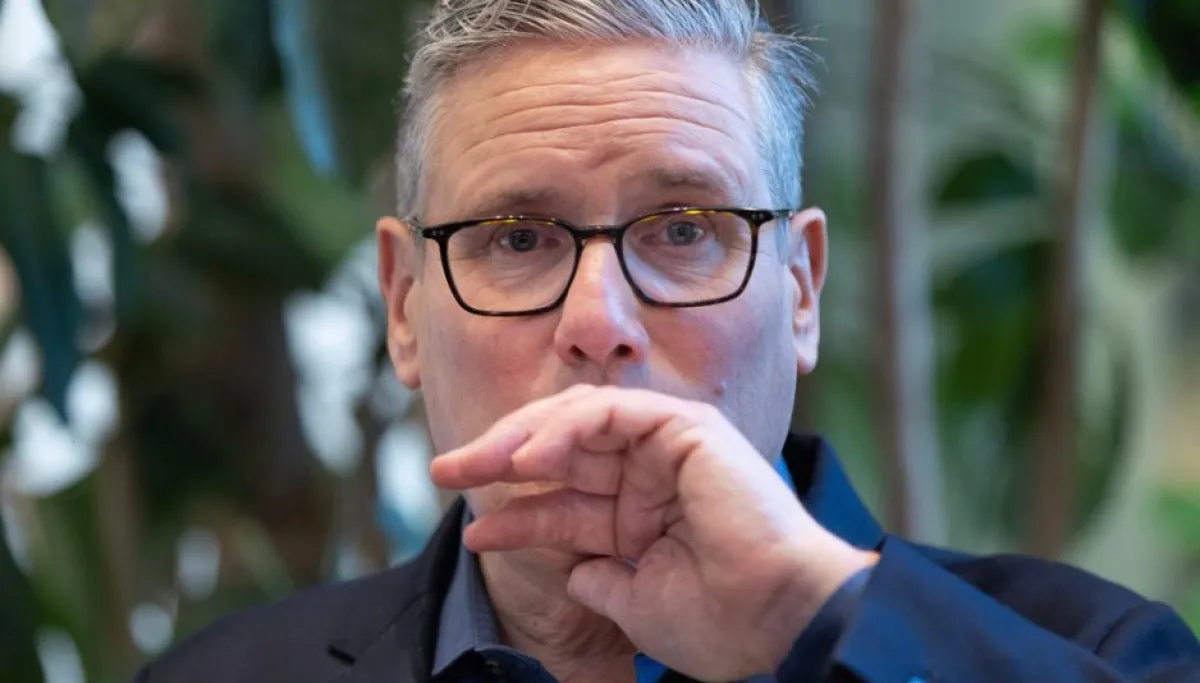
British Prime Minister Keir Starmer followed in the footsteps of five predecessors to hand in his resignation on Monday, capping off a politically volatile decade for the island monarchy.
Starmer, who was prime minister for 717 days, resigned after his Labour Party performed poorly in recent elections, and the country soured on his inability to bring Britain out of economic stagnation, among other issues.
The announcement will pave the way for the country’s seventh leader in a decade, as Starmer becomes the sixth prime minister to leave 10 Downing Street since 2016.
David Cameron: 2,255 days
The longest-serving leader of the bunch, David Cameron, held office from 2010 to 2016.
He resigned in June 2016 due to opposition to Brexit, which passed via a referendum that withdrew the country from the European Union. After the results trickled in, Cameron said, “I do not think it would be right for me to be the captain that steers our country to its next destination.”
Theresa May: 1,106 days
Theresa May served from 2016 to 2019 and was eventually ousted amid controversy for how she sought to implement the Brexit verdict that Cameron sparked. Although the referendum passed, the United Kingdom needed to pass legislation to withdraw from the EU. May negotiated an exit agreement with the EU, only to see it rejected by Parliament three times.
She announced in May 2019 that she would step aside as Conservative Party leader after failing to take Britain out of the EU on the scheduled deadline of March 29.
“I have done my best to do that.… But it is now clear to me that it is in the best interests of the country for a new prime minister to lead that effort,” she said.
Boris Johnson: 1,140 days
Boris Johnson held office from 2019 to 2022, leading London during the tumultuous time of COVID-19. The Conservative prime minister resigned in July 2022 amid ethics investigations and concerns about the country’s downward economic spiral in the aftermath of the pandemic, including battles with steep inflation, and Johnson’s move to implement a tax hike during “the worst cost of living crisis for decades.”
Johnson was scrutinized for “partygate,” a COVID-era scandal in which he hosted illegal social gatherings that flouted the strict lockdown measures he imposed on the public. He was fined for breaking lockdown rules for his own birthday celebration and was also forced to apologize for going to a “bring your own booze” party in the Downing Street garden during lockdown.
Johnson later announced in June 2023 that he would also resign his seat in parliament, roughly a week before an ethics investigation was set to focus on his behavior as prime minister.
Liz Truss: 45 days
Liz Truss is recognized as the shortest-serving prime minister in British history, resigning in October 2022, just over 40 days after assuming the premiership. The ex-foreign minister lasted around seven weeks after being attacked for proposing the largest package of tax cuts in 50 years. The Conservative Party leader’s $45 billion proposal was blamed for reducing the value of the pound and panicking financial markets.
It sparked a ripple effect, as Truss’s approval rating sank to 10%, a senior Cabinet member resigned, and over a dozen of her Conservative colleagues pushed her to step aside, spelling a sweeping loss of party confidence.
“I recognize that I cannot deliver the mandate on which I was elected by the Conservative Party,” she said during her resignation speech.
A head of lettuce, arrayed with a blond wig and googly eyes, infamously outlasted Truss’s tenure. The U.K. tabloid newspaper the Daily Star trolled Truss with the prank during a YouTube livestream that displayed the lettuce on one side and a portrait of Truss on the other, asking: “Will Liz Truss still be Prime Minister within the 10-day shelf-life of a lettuce?” The outlet crowned the lettuce the winner after Truss resigned, and played “God Save the King,” Britain’s national anthem, to round off her humiliation.
Rishi Sunak: 620 days
Rishi Sunak served for 20 months between 2022 and 2024. The former finance minister resigned in July 2024 after the opposition Labour Party secured a landslide victory in nationwide elections.
Sunak’s decision marked the end of 14 years of Conservative government and came during the country’s economic slump, as embodied by a 9% inflation rate.
LABOUR’S ANDY BURNHAM’S SPECIAL ELECTION WIN COULD SPELL DOOM FOR STARMER AS PRIME MINISTER
Concerns about lingering stagnation, combined with blunders such as his doomed move to leave early from the 80th-anniversary D-Day commemorations in France, helped lead to Sunak’s short-lived tenure.
“I have given this job my all, but you have sent a clear signal that the government of the United Kingdom must change,” he said.