The United States struck targets along Iran’s coastline, aiming to degrade its ability to control the Strait of Hormuz on the second consecutive day of strikes, with President Donald Trump declaring the U.S.-Iran memorandum of understanding “over.”
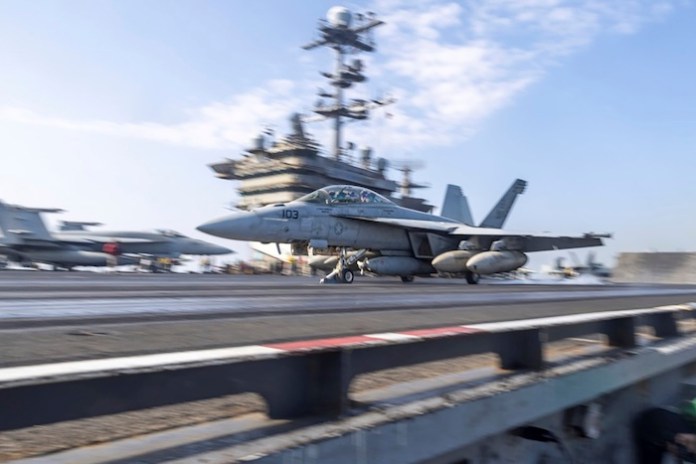
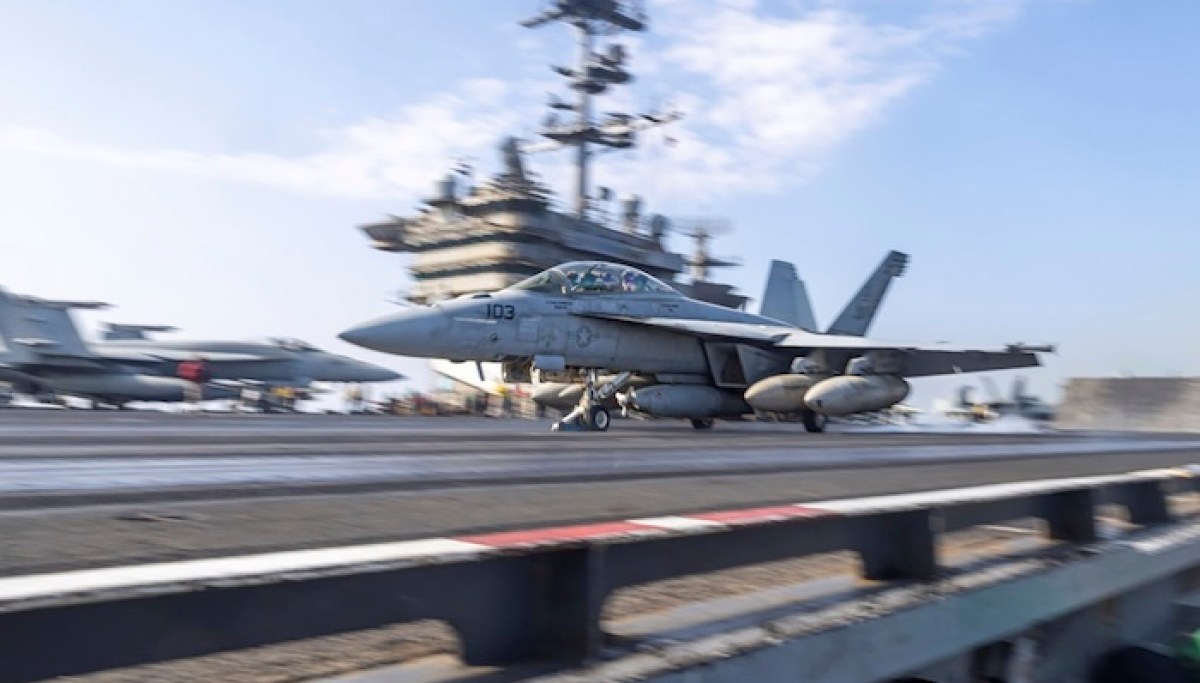
U.S. Central Command said that it struck approximately 90 Iranian military targets overnight, including air defense systems, coastal surveillance assets, missile and drone storage sites, naval capabilities, and military logistics infrastructure along Iran’s southern coastline. The strikes are a step up from the 80 military targets hit the night before, with 60 of those taking out Islamic Revolutionary Guard Corps small boats.
“U.S. forces remain vigilant, lethal, and prepared to execute operations directed by the Commander in Chief,” CENTCOM said.
It included footage of nearly 10 of those strikes, with secondary detonations indicating successful hits.
A third wave of U.S. strikes began Thursday morning, again largely targeting the southern coast. The most notable target was the area around the Bushehr nuclear power plant. Conflicting reports emerged in the hour following the attack — Bushehr Governor Mohammad Mozaffari claimed the city was attacked but not the nuclear power plant itself, while other Iranian outlets reported the plant itself or the area immediately surrounding it was hit. The state-run IRNA news agency quoted local Bushehr official Ehsan Jahanian, claiming the plant itself was attacked.
Thursday afternoon’s attacks extended beyond just southern Iran, however, hitting the northern province of Golestan and the northwestern province of Kermanshah. Iran’s Fars News Agency said the U.S. struck the Aq Taqeh Khan railway bridge in Golestan, a key part of its overland trade infrastructure connecting it to China through Turkmenistan and Kazakhstan.
The railway strike indicates the U.S. is moving beyond solely military strikes, now looking to deal economic pain against Iran, too.
Iran expanded its response on Thursday. The Guard launched missiles and drones against U.S. bases at Arifjan and Ali Al Salem in Kuwait and Sheikh Isa in Bahrain. For the first time since the MOU was signed, Iran extended its attacks into Qatar and Jordan.
Pro-Iraqi militia outlets aligned with Iran reported strikes targeting U.S. bases in Iraq in another first since the MOU was signed.
Iran’s Foreign Ministry denounced the U.S.’s “aggressive attacks” against southern Iran, saying it constituted a “grave war crime.” Most of the Gulf states condemned Iran for its continued attacks against Kuwait, Bahrain, and others.
Trump ordered the first wave of strikes this week after Iran had attacked commercial shipping in the Strait of Hormuz on Monday and Tuesday.
TRUMP SHORES UP RELATIONS WITH OTHER REGIONAL ALLIES AS TIES WITH NETANYAHU SOUR
The strikes and retaliatory strikes mark the biggest escalation since Trump declared the ceasefire “over” at the Ankara NATO summit on Wednesday. Despite this, Iran’s government has remained ambiguous on the status of the MOU. The Iranian Foreign Ministry’s condemnation on Thursday complained that the attacks were a violation of the MOU.
Washington isn’t entirely clear on the status of the conflict either. Though Trump declared the MOU was over, then bashed Iran’s leadership as “scum” and “cheats,” the new attacks against Iran have come in distinct waves, rather than the sustained attacks seen before the April ceasefire. Israel also hasn’t launched any attacks against Iran.