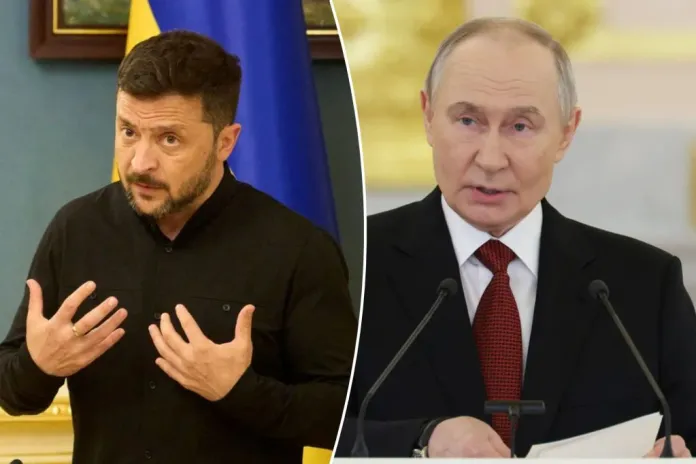
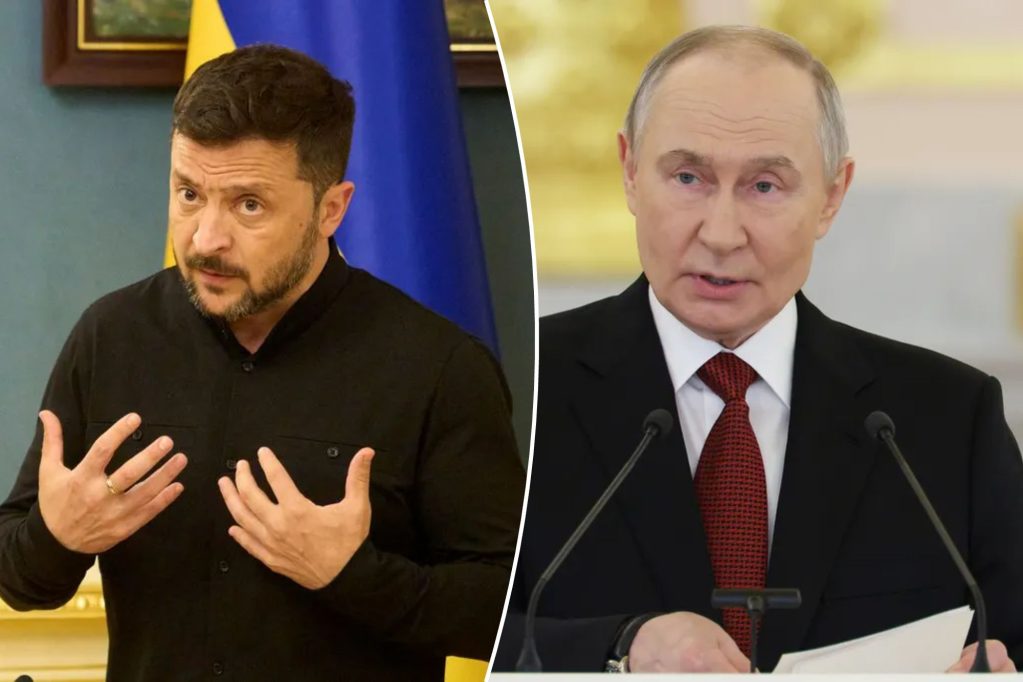
Representatives from Ukraine and Russia met for a second day in Abu Dhab, United Arab Emirates, to attempt to agree on a peace deal to end the war between the two countries. Discussions are being brokered by U.S. representatives, including special envoy Steve Witkoff, Jared Kushner, President Donald Trump’s son-in-law, Secretary of the Army Daniel Driscoll, and Gen. Alexus G. Grynkewich, Commander, U.S. European Command and NATO Supreme Allied Commander Europe.
Witkoff and Kushner were instrumental in negotiating the 2025 Gaza peace deal between Israel and Hamas.
The peace negotiations come after a brutal attack on Ukraine earlier this week in which Russia launched 450 drones and 70 missiles, hitting various cities throughout the country. Among the targets was a kindergarten in Kyiv and Ukraine’s energy facilities. Russia has been criticized in recent weeks by the international community for its military operations hitting civilian targets amid a record-breaking winter in Ukraine. Trump reportedly asked Russian President Vladimir Putin to pause strikes in Ukraine for a week in January due to the extreme wintry conditions in Ukraine.
“Taking advantage of the coldest days of winter to terrorize people is more important to Russia than turning to diplomacy,” Ukrainian President Volodymyr Zelensky posted on X this week after the strikes. “And this very clearly shows what is needed from our partners and what can help. Timely delivery of missiles for air defense systems and the protection of normal life are our priority. Without pressure on Russia, there will be no end to this war.”
Rustem Umerov, Ukraine’s Secretary of the National Security and Defense Council, was among the negotiating delegation, and has provided daily updates about the meeting. After the first day, Umerov called it “substantive and productive,” with the conversation centered on the critical issues between the two countries preventing a peace deal.
On Thursday, Umerov’s update was brief, offering little more than that the meeting had begun.
ZELENSKY CALLS FOR ‘CLEAR RESPONSE’ FROM US AFTER RUSSIA’S USE OF NUCLEAR-CAPABLE MISSILE IN STRIKES
“We are working in the same formats as yesterday: trilateral consultations, working groups, and further coordination of positions,” he said in a post on X. “The results will follow.”
Among the main hindrances to peace negotiations are territorial claims and Zelensky’s continued presidency after the war, while Ukraine wants specific security guarantees to prevent Russia from future attacks, according to reports. Neither side has been willing to budge from their positions.
“Despite the positive pronouncements from Washington, there is little sign that either side is willing to budge on the key remaining issues,” reported the Washington Examiner’s Jamie McIntyre. “Ukraine is unwilling to make any territorial concessions without firm security guarantees, and Russia refuses to accept any European troops on Ukrainian soil as part of a security package.”