
Honduran election authorities on Wednesday certified conservative Nasry Asfura, who received backing from President Donald Trump, as the winner of the country’s presidential race, concluding a drawn-out and contentious count that further tested confidence in the country’s fragile electoral system.
Asfura, a former mayor of Tegucigalpa and candidate of the National Party, won 40.27% of the vote in the Nov. 30 election, narrowly surpassing Liberal Party challenger Salvador Nasralla, who finished with 39.53%. The extended tabulation process, marked by disputes among candidates and election authorities, fueled public distrust and raised concerns about the integrity of Honduras’s electoral system.
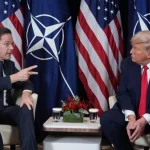
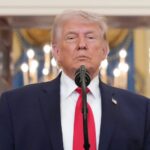
Trump publicly backed Asfura in the final days of the campaign, later accusing Honduran officials of interfering with the count, comments that added volatility to an already tense post-election environment.
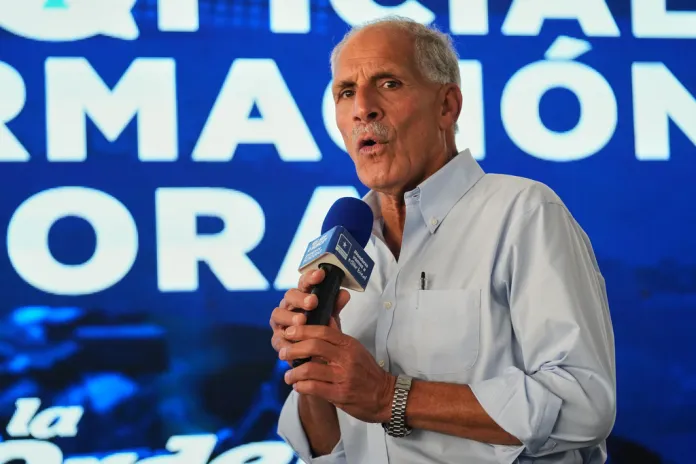
Asfura declared victory shortly after the results were finalized, pledging to govern the country amid deep political divisions. Nasralla rejected the outcome, alleging fraud and accusing election officials of undermining the will of voters.
The result dealt a setback to the governing Liberty and Refoundation Party, whose candidate placed a distant third. Asfura will succeed Honduran President Xiomara Castro, a left-leaning leader whose administration has faced strained relations with Washington.
U.S. officials quickly welcomed the outcome. Secretary of State Marco Rubio congratulated Asfura and said the Trump administration looked forward to working with his government on regional security and economic cooperation.
Rubio said he looked forward to “working with the incoming administration to strengthen bilateral and regional security cooperation, curb illegal immigration to the United States, and deepen economic ties between our two countries.”
LATIN AMERICAN ALLIES LEND TRUMP SUPPORT IN ANTI-DRUG OPERATIONS IN CARIBBEAN
Nasralla continued to dispute the results on Wednesday evening and had not indicated whether he would concede. Independent election observers pushed back on allegations of systemic wrongdoing.
Héctor Corrales, director of the Honduran research institute NODO and a member of the European Union’s election observation mission, told the New York Times that investigators had found no evidence of widespread or coordinated fraud in the vote count.