A federal judge in New York has authorized the Justice Department to release grand jury materials from the prosecution of Ghislaine Maxwell, a major advance in the government’s court-ordered effort to disclose long-hidden records tied to the deceased and disgraced financier, Jeffrey Epstein.
U.S. District Judge Paul Engelmayer issued the order Tuesday, reversing his prior stance after President Donald Trump signed the Epstein Files Transparency Act last month. The statute compels the DOJ to publish all unclassified records connected to Epstein and Maxwell by Dec. 19, superseding the near-absolute secrecy protections traditionally applied to federal grand jury proceedings.
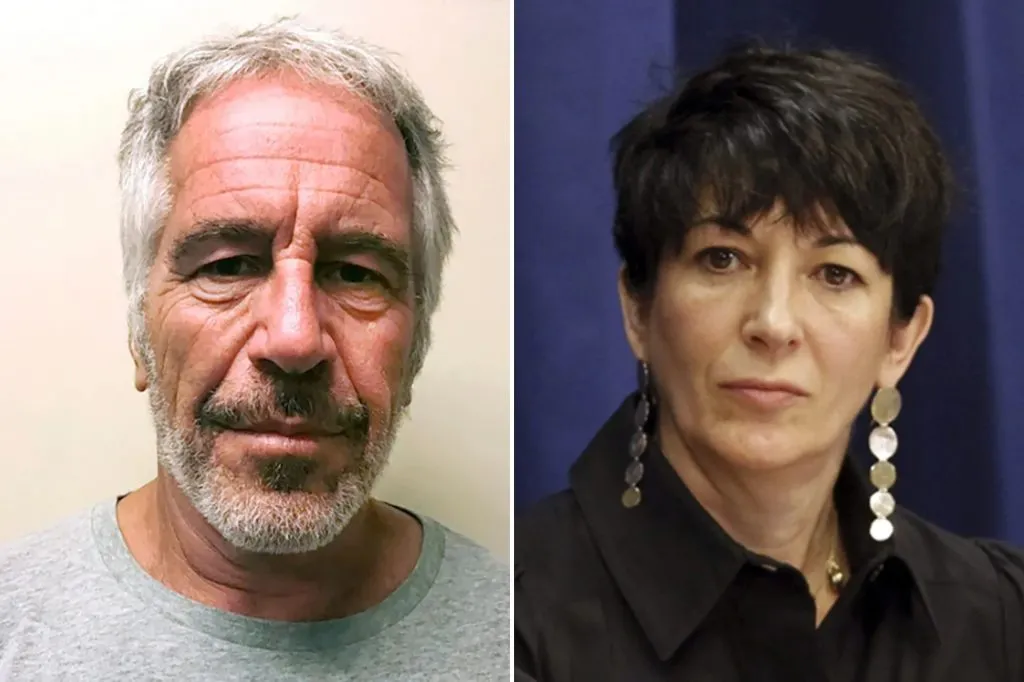
Engelmayer approved the release of grand jury transcripts and exhibits from Maxwell’s case, along with pretrial evidence exchanged between prosecutors and defense attorneys before her 2021 conviction. Maxwell is serving a 20-year sentence for conspiring with Epstein to recruit and abuse underage girls.
The judge, however, directed the DOJ to install safeguards to prevent the inadvertent release of victim-identifying information, ordering the department to set up a screening mechanism to preserve survivor privacy.
“Prior to the release of any records covered by this Protective Order, the United States Attorney for the Southern District of New York shall personally certify … that such records have been rigorously reviewed for compliance” with the Epstein Files Transparency Act and to avoid exposing any personally identifiable information about victims, Engelmayer wrote.
The ruling came days after Maxwell’s attorney, David Markus, warned the court that unsealing the materials could expose “untested and unproven allegations” that risk tainting any future jury pool. In a one-page filing submitted to Engelmayer, Markus wrote that disclosure “would create undue prejudice so severe that it would foreclose the possibility of a fair retrial” if Maxwell succeeds in reopening her case. He said she plans to file a habeas petition challenging the legality of her detention but noted that, in light of the new statute, she is not formally opposing the DOJ’s request to unseal the records.
Engelmayer’s decision mirrors a separate ruling Friday in Florida, where U.S. District Judge Rodney Smith concluded that the transparency law overrides decades of grand jury secrecy and allows the DOJ to release transcripts from Epstein’s 2019 prosecution. Both judges left the timing and process to the Justice Department.
The back-to-back decisions represent a seismic shift after years of refusals by federal courts in both states. Prior judges had rejected similar requests on the grounds that secrecy laws barred any release and suggested the sealed records were unlikely to contain meaningful new information.
Epstein’s victims have pushed for the opposite outcome for years, arguing that fuller disclosure is necessary to understand whether wealthy associates played any role in discouraging past investigations or enabling his abuse. Advocates, such as survivor Teresa Helm, have publicly urged Congress to force transparency, saying accountability requires opening the government’s files.
FLORIDA JUDGE ALLOWS UNSEALING OF EPSTEIN GRAND JURY FILES
Only one remaining judge in New York has yet to decide whether the DOJ may release grand jury transcripts from Epstein’s 2019 Southern District sex trafficking case, which failed to go to a trial after authorities discovered him dead in his prison cell that August, ruling the death a suicide. A decision is expected in the coming days, which could finalize the effort for the department to collect all grand jury transcripts and begin publishing thousands of other pages of material.
The transcripts account for only a fraction of the cache that the DOJ must release under the new law, which includes internal memos, interview summaries, correspondence, and other records gathered over decades of federal scrutiny of Epstein and Maxwell. The department has not said when additional documents will be released.