NEWYou can now listen to Fox News articles!
After deliberating and assessing the global oil market situation in the face of Middle Eastern conflicts stemming from the United States’ attack on Iran, 32 different developed nations agreed to make an “unprecedented” move to help address “oil market challenges.”
The International Energy Agency (IEA) held an emergency meeting at its Paris headquarters Tuesday with energy representatives from the cohort of G7 countries, to “assess market conditions,” which IEA Executive Director Fatih Birol says “have been significantly affected by the conflict in the Middle East.”
After that meeting Thursday, the 32 member countries of the IEA unanimously agreed to collectively release the largest quantity of emergency oil reserves they ever have as a coalition, amounting to 400 million barrels.
“The oil market challenges we are facing are unprecedented in scale, therefore, I am very glad that IEA member countries have responded with an emergency collective action of unprecedented size,” Birol said after the announcement about the release of the emergency oil reserves.
“Oil markets are global, so the response to major disruptions needs to be global too.”
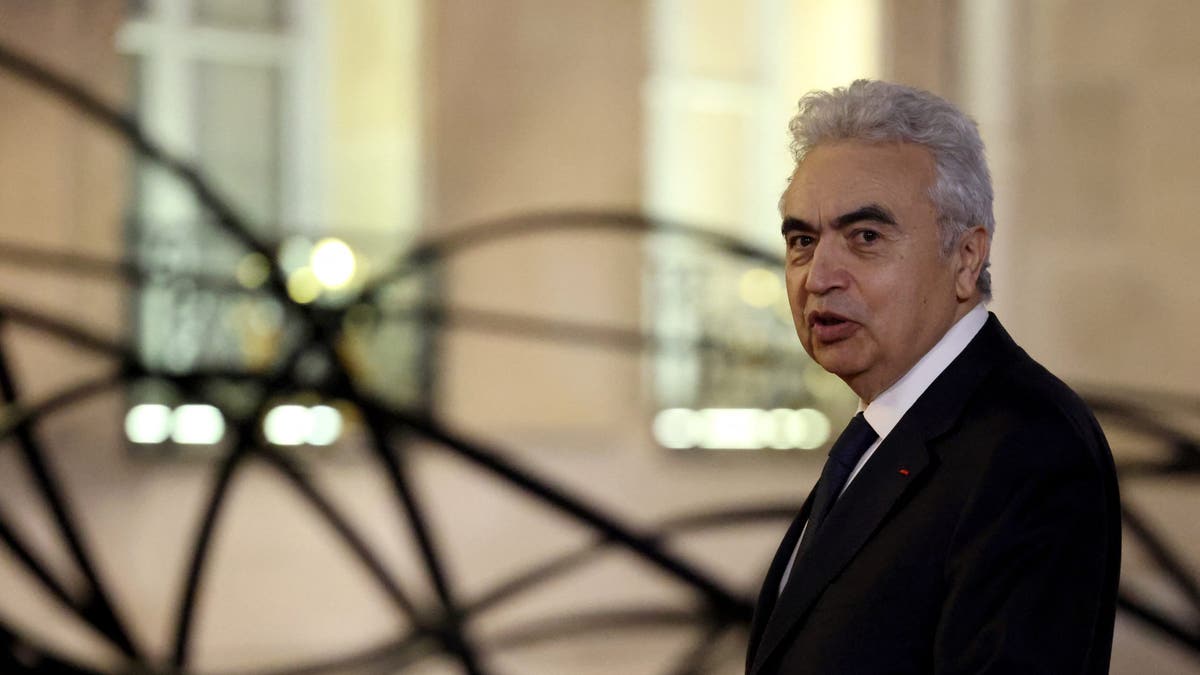
International Energy Agency Executive Director Fatih Birol in Paris March 10, 2026. (Ludovic Marin/AFP via Getty Images)
President Donald Trump touted the IEA agreement during remarks in Kentucky Wednesday afternoon, saying the move “will substantially reduce oil prices.”
Before the outbreak of war with Iran, oil was trading in the range of $60 to $70 a barrel, but prices soared after the conflict began, with crude oil futures reaching upward of $115 a barrel on Monday, the highest level since 2022, when Russia invaded Ukraine. However, some experts suggest the market is correcting itself already from an initial scare that the conflict in the Middle East would have a major impact on oil prices.
“The market realized that maybe things aren’t that bad. The U.S. is having incredible military victories. President Trump is saying, ‘Hey, you know what, the war is probably not going to be going on that long.’ And even some signals that the world doesn’t have to just sit and stand and take it,” said Phil Flynn, senior market analyst at the Price Futures Group and a FOX Business contributor.
The members of the IEA hold emergency stockpiles of over 1.2 billion barrels and another 600 million barrels of oil industry stocks. This coordinated release of an unprecedented amount of oil will be the sixth in its roughly half-century history. Previous collective action was taken in 1991, 2005, 2011 and twice in 2022.
TRUMP’S MIDDLE EAST ENVOY REVEALS WHAT LED TO BREAKDOWN IN IRAN TALKS BEFORE OPERATION EPIC FURY
The previous record for the largest collective action was the latest release of emergency oil stocks after Russia’s invasion of Ukraine. In combination, the two actions in March 2022 and April 2022 amounted to a release of 182.7 million barrels, according to the IEA.
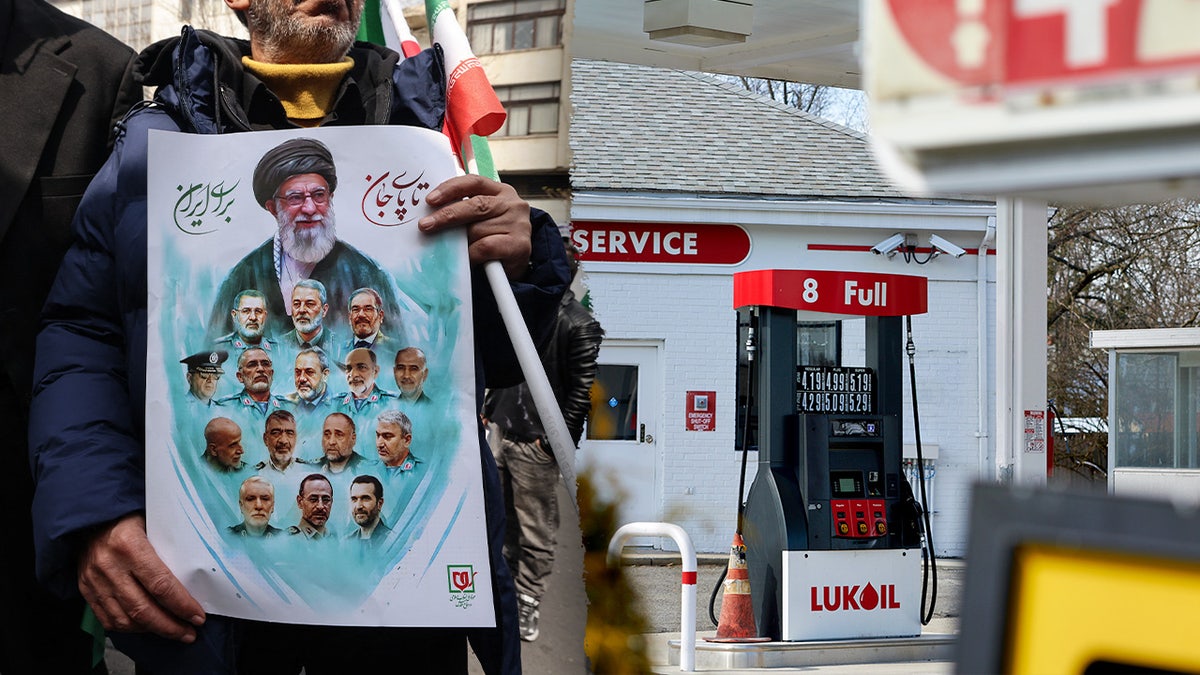
House Republicans are pushing the U.S. to keep a close eye on Russian oil giant Lukoil’s international divestments as the conflict in Iran drives up U.S. gas prices. Russia and Iran are close allies. (Atta Kenare/AFP via Getty Images; Gabby Jones/Bloomberg via Getty Images)
President Trump said repeatedly this week during remarks to the press that the war in Iran would be over shortly but stopped short of providing an exact timeline.
In his comments to the press Wednesday, President Trump quipped, “We don’t want to leave early, do we?”
“We gotta finish the job, right? Over the past 11 days, our military has virtually destroyed Iran,” Trump said. “It’s a tough country.”
Iran’s ongoing retaliatory attacks in the Strait of Hormuz, a critical maritime choke point for oil transportation, has led to questions about what they will do to prices at the pump.
Interior Secretary Doug Burgum scoffed this week at claims that the Trump administration was caught off guard by how much Trump’s military actions have affected the oil market and responded to questions about the impact of attacks on the Strait of Hormuz.
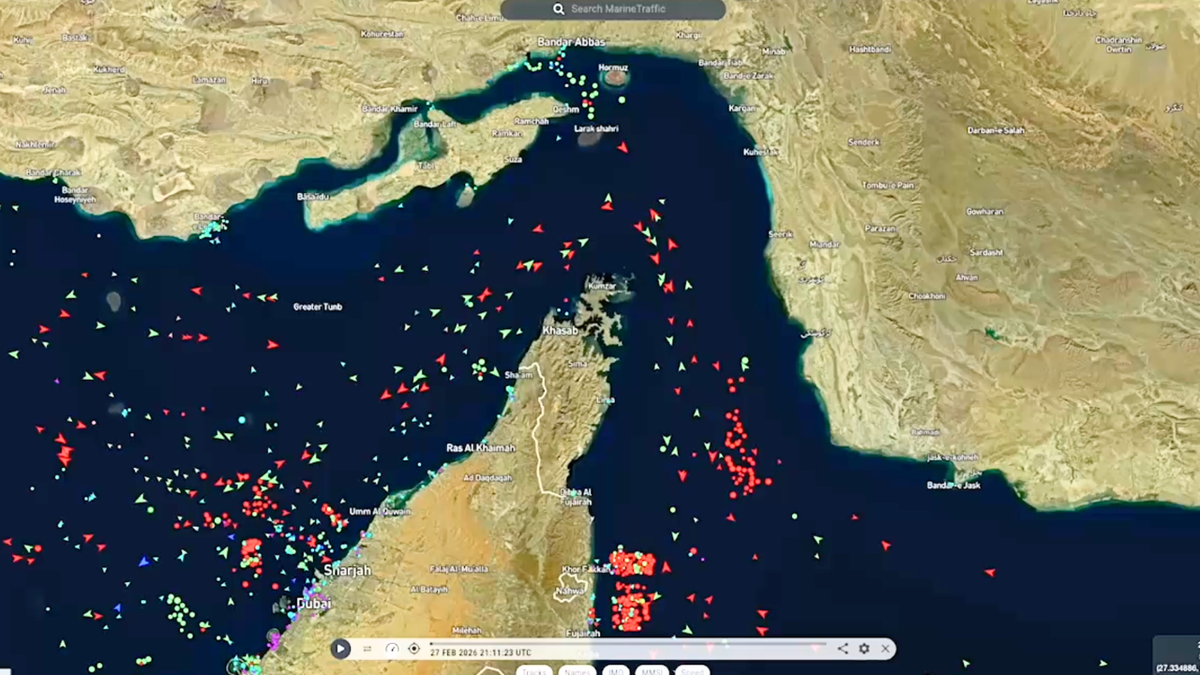
A screenshot of a marine traffic terminal showing vessels in the Strait of Hormuz March 4, 2026. (Kpler/Marine Traffic)
CLICK HERE TO DOWNLOAD THE FOX NEWS APP
“As you know better than anybody else, it’s a global market, so we could be producing more, or other countries could be producing more, but it all goes into one vat where we get the prices from,” said Fox News’ Brian Kilmeade. “So, if the Strait of Hormuz presents a challenge, how could you circumvent that challenge?”
In response, Burgum slammed Iran for “holding the entire world hostage economically by threatening to close the strait.”
“President Trump has made it very clear the consequences if they try to do that,” he continued. “There’s a lot of options between ourselves and our allies in the region, including our Arab friends in the region, to make sure that those straits remain open and energy keeps flowing through the global economy.”
Fox Business’ Eric Revell contributed to this report.