Top diplomats from several key Middle Eastern powers gathered in Pakistan on Sunday for high-level talks aimed at ending the monthlong war in Iran.
Foreign ministers from Saudi Arabia, Turkey, and Egypt met in Islamabad in what Pakistani officials described as an effort to open a path forward toward negotiations between Washington and Tehran.
The talks come as the conflict, which began Feb. 28 with U.S. and Israeli strikes on Iran, has killed more than 3,000 people across the region and expanded into multiple countries.
HOW IRAN TRANSFORMED FROM AN ISLAMIC REPUBLIC TO A MILITARY DICTATORSHIP
Despite the diplomatic push, there were few immediate signs of progress. Iran’s leadership dismissed the talks, accusing the United States of using diplomacy as a cover while expanding its military presence in the region.
Iranian officials warned against any possible ground invasion and threatened retaliation against American forces and regional allies.
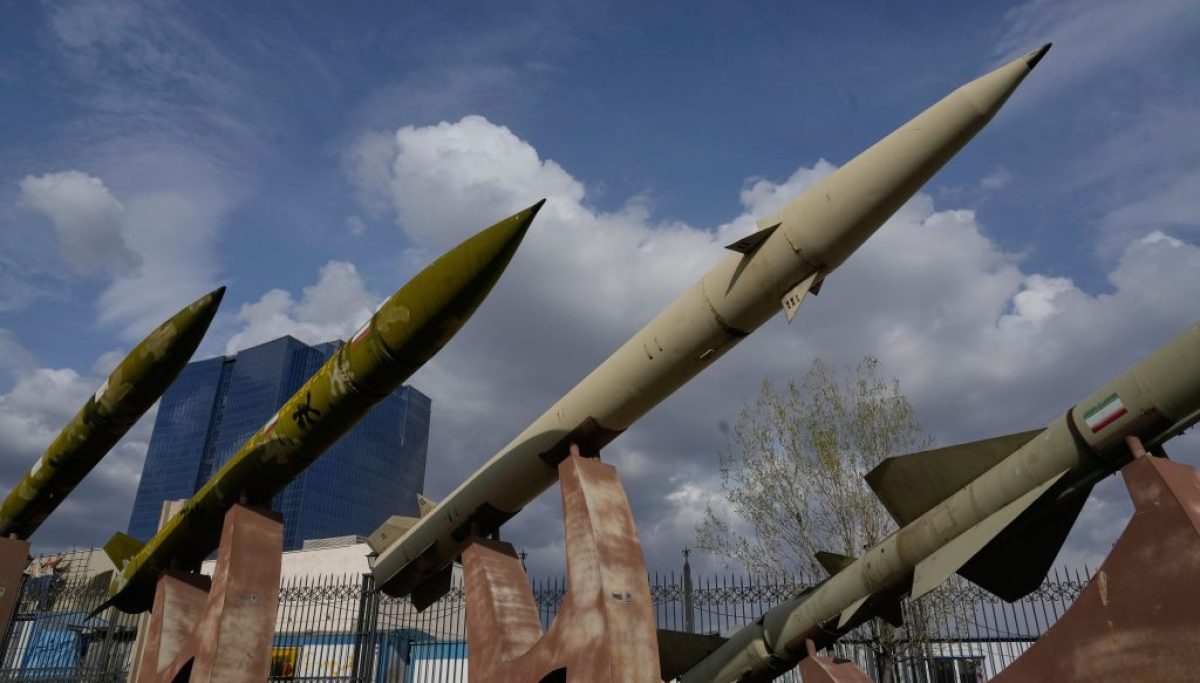
Fighting continued alongside the talks. Israel reported incoming Iranian missile barrages, while explosions were heard in Tehran following renewed Israeli strikes. The Israel Defense Forces on Sunday claimed to have destroyed a manufacturing hub for critical components of ballistic missiles.
Iran has also launched drones and missiles targeting Israel and Gulf states, while Iran-backed Houthi rebels in Yemen have entered the conflict, raising fears of broader regional escalation and threats to global shipping routes.
Pakistan has positioned itself as a mediator, leveraging ties with both Iran and U.S.-aligned Gulf nations. Its leaders have held parallel discussions with Iranian officials, while facilitating indirect communication between Washington and Tehran.
Officials say the goal is to bridge the deep divisions over competing peace proposals, including the U.S.-backed framework that Iran has rejected as one-sided.
The talks come as thousands of additional Marines arrive in the region despite officials insisting that objectives can be achieved without launching a ground war. President Donald Trump has not entirely ruled out deploying troops, and the Pentagon is reportedly prepping plans for a “final blow” in Iran that could include the use of ground forces.
US MARINE UNIT AND WARSHIP ARRIVE IN MIDDLE EAST, CENTCOM SAYS
Iran, meanwhile, has eased some restrictions on shipping through the Strait of Hormuz, allowing limited transit of ships from Pakistan, India, Russia, China, Iraq, Malaysia, and Thailand, even as it seeks to maintain leverage on energy markets.
On Sunday, Iran’s Islamic Revolutionary Guard Corps warned that it would consider Israeli universities and branches of American universities in the region “legitimate targets” unless safety is assured for Iranian universities, according to reporting by state media.