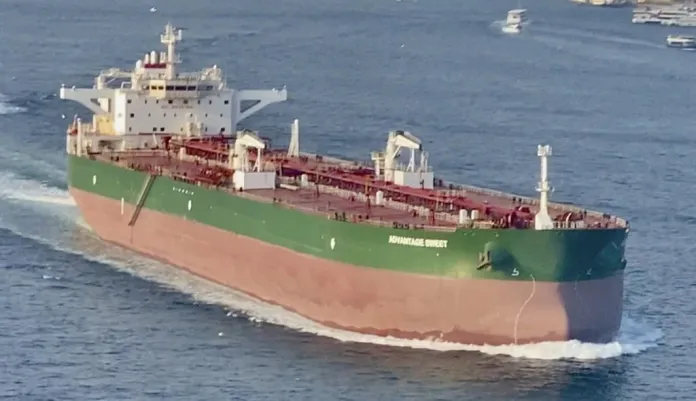
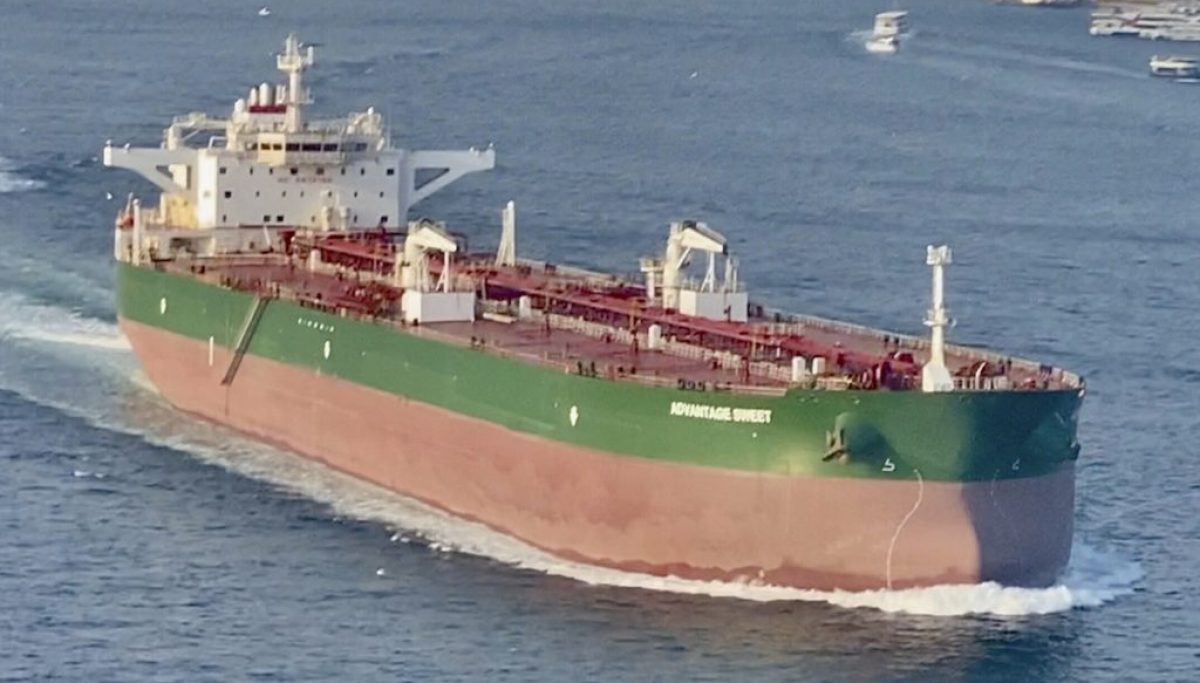
The IRGC-linked Tasnim news claimed that the two “fuel smuggling vessels” were carrying over 270,000 gallons of smuggled fuel. The Guard arrested 15 foreign crew members, who were turned over to the authorities. Tasnim reported that the vessels had been monitored for months as part of a fuel smuggling network.
Iran is known to leverage harassment of oil shipping through the Straight of Hormuz as a major trump card in international negotiations, going back to the Iran-Iraq War of 1980-1988. It has previously portrayed some legitimate international shipping as illegitimate.
In November, the IRGC seized the Marshall Islands-flagged oil tanker Talara, originally accusing it of taking part in oil smuggling. After international outcry and accusations that Tehran was engaging in piracy, the vessel and its crew were released, though only after all of its transported fuel was taken. Tehran offered contradictory justifications for the seizure throughout the crisis.
The Washington Examiner reached out to the State Department for comment on the incident, specifically whether it agrees with Tehran’s assessment that the vessels were used for fuel smuggling.
Fuel smuggling has been a chronic issue for Iran in the past, with criminal and corrupt elements taking advantage of Iran having some of the lowest retail fuel prices in the world, Al Jazeera reported.
If the United States deems the seizure illegitimate, it could further complicate U.S.-Iran talks slated to take place on Friday.
IRAN SEIZES OIL TANKER ATTEMPTING TO NAVIGATE THROUGH STRAIT OF HORMUZ
Roughly one-quarter of the world’s oil trade passes through the Strait of Hormuz, with oil giants Saudi Arabia, the UAE, Qatar, Iraq, and Kuwait sending all or most of their oil through this route.
Iranian harassment of international oil shipping during the Iran-Iraq War triggered one of the few direct U.S.-Iran military confrontations, Operation Praying Mantis, which saw the U.S. Navy obliterate the majority of the Iranian Navy.