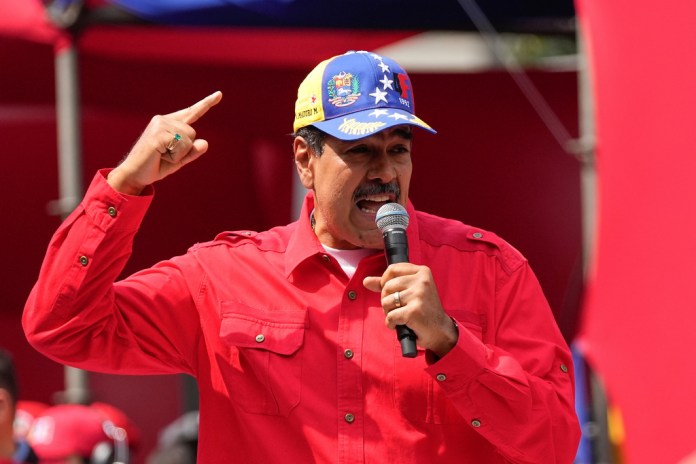
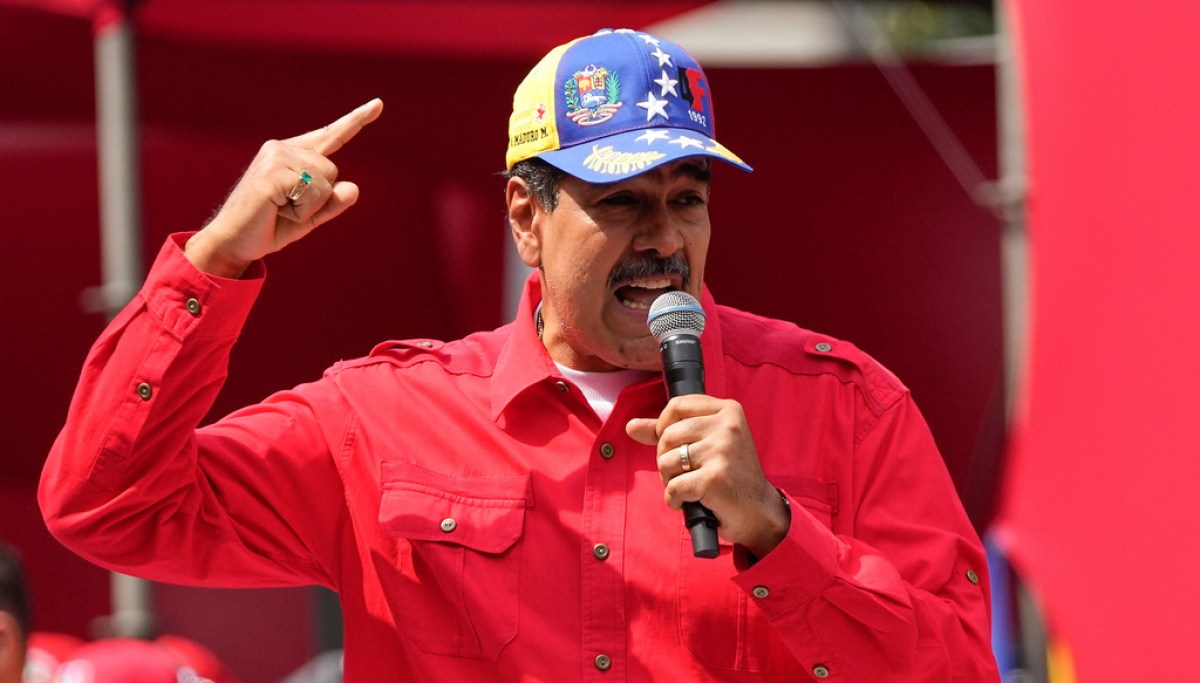
According to the letter sent by Maduro’s lawyer, Barry Pollack, to a Manhattan federal judge, the Treasury Department initially authorized Venezuela to cover Maduro’s legal fees but reversed course days later without an explanation.
Pollock said the move now threatens Maduro’s ability to defend himself adequately in the criminal prosecution.
In the letter, Pollock explains that the Treasury’s Office of Foreign Assets Control granted Venezuelan state funding on Jan. 9, still restricted under sanctions.
The authorization was later withdrawn, even as permission reportedly remained in place for attorney Mark Donnelly, who is representing Maduro’s wife, Cilia Flores, his co-defendant.
Maduro’s son is also facing charges, and the family could face life in prison if found guilty. The family will remain in custody until their next court date on March 17.
Maduro and his wife pleaded not guilty last month to U.S. charges accusing them of participating in a massive cocaine trafficking conspiracy tied to what prosecutors have described as a state-backed narcotics network. The couple has been held without bail in New York since their capture by U.S. forces in Venezuela on Jan. 3.
Pollack argued that blocking payment from Venezuela violates Maduro’s constitutional right to counsel and that Venezuelan law requires the state to fund legal representation for a sitting or former head of state facing prosecution related to official duties.
Maduro’s attorney said Maduro lacks personal access to funds due to sanctions imposed on the Venezuelan government, which is now being led by former Vice President Delcy Rodriguez, and its financial system.
EL MENCHO AND TRUMP’S OPPORTUNITY IN MEXICO
U.S. prosecutors and the Treasury have not publicly explained why the payment authorization was rescinded, according to court filings.
Pollack has also represented Julian Assange, the WikiLeaks founder who was charged under the Espionage Act for obtaining and publishing U.S. military secrets.