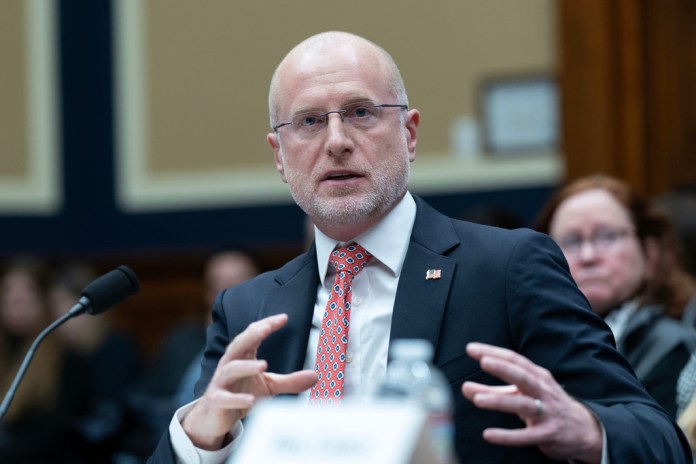
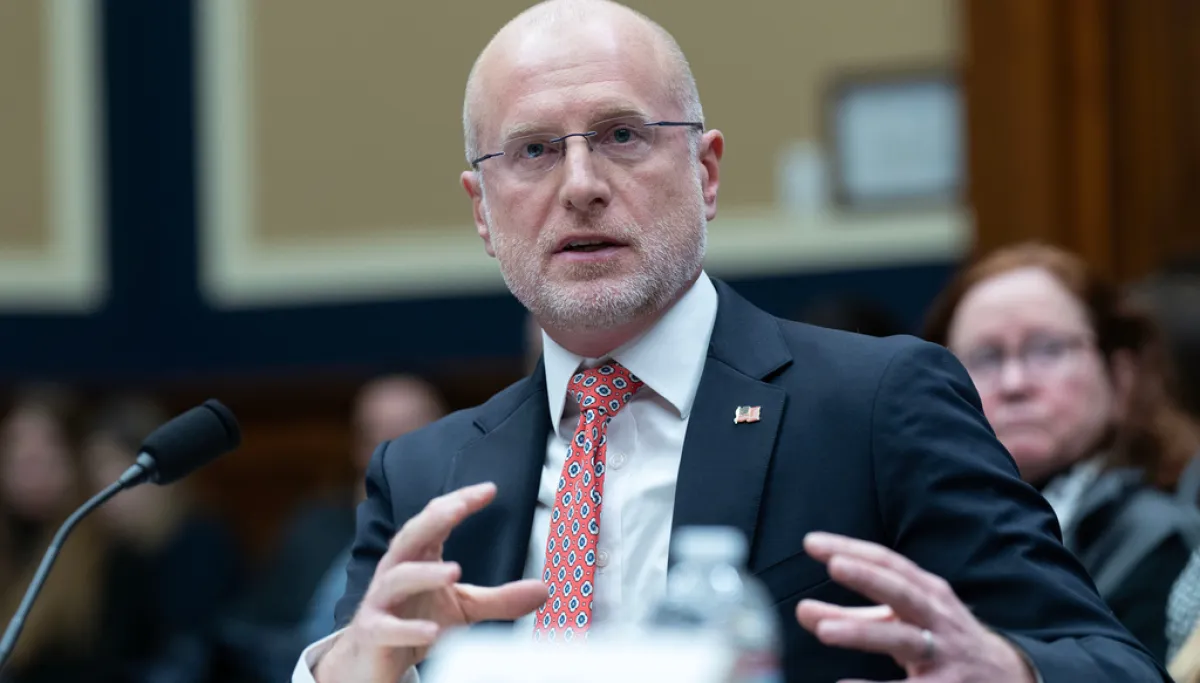
Brendan Carr, the Trump-appointed chairman of the Federal Communications Commission, is optimistic that Paramount Skydance will ultimately have its merger agreement with Warner Bros. Discovery approved by federal regulators after Netflix scrapped its attempt at a deal last week.
In fact, he believes Netflix would have had a harder time going through the regulatory process had its merger agreement proceeded.
“There’s a lot of concerns when Netflix was the potential buyer there,” Carr told CNBC on Tuesday. “That particular combination raised a lot of competition concerns.”
Netflix underwent scrutiny led by the Justice Department over possible antitrust issues concerning the entertainment company’s strengthened consolidation in the streaming market. If the platform merged with the WBD-owned HBO Max, Netflix would have solidified its spot as the top streaming service.
By contrast, the FCC chief said, Paramount’s deal is “a lot cleaner” and “does not raise at all the same types of concerns.”
“I think there’s some real consumer benefits that can emerge from it,” he added.
Paramount+ and HBO Max have significantly fewer subscribers than Netflix, even after a possible merger. Once the deal closes, Paramount+ and HBO Max will become one platform. It hasn’t been given a name yet.
Last week, Paramount overtook Netflix in the bidding war to acquire WBD after Netflix declined to raise its offer to match Paramount’s final revised bid. The WBD Board of Directors found that Paramount’s $31-per-share offer was “superior” to Netflix’s agreed $30-per-share bid. In response, Netflix said its deal was “no longer financially attractive” and decided to let Paramount take the win.
Paramount then quickly announced its merger agreement with WBD.
As part of the deal, Paramount and WBD each intend to release 15 films in movie theaters per year. The goal is quite ambitious, considering WBD released 11 theatrical films last year. Only eight films were released by Paramount in 2025.
Despite the consumer benefits, one of the downsides to the deal is that both studios will likely implement major layoffs because there will be too many redundant positions if and when the merger becomes official. Paramount CEO David Ellison hasn’t clearly addressed the expected post-merger layoffs yet.
Carr said the FCC won’t directly oversee the pending Paramount-WBD merger “per se” because the DOJ and Federal Trade Commission hold jurisdiction over the matter, but he left the door open for his agency to get involved.
“If there’s any FCC role at all, it’ll be a pretty minimal role,” he said. “And I think this is a good deal, and I think it should get through pretty quickly.”
The FCC may be involved to some extent, as it typically reviews deals involving broadcast networks, such as Paramount’s CBS. The commission approved Paramount’s merger with Skydance last year, resulting in a leadership overhaul at CBS News spearheaded by Free Press co-founder Bari Weiss.
CAN PARAMOUNT SAVE CNN FROM ITSELF?
While Carr is in favor of WBD’s second merger agreement, Paramount is expected to face tough opposition from blue states over antitrust concerns.
Last week, California Attorney General Rob Bonta stated his office would subject the transaction to a “full and robust review.” Bonta may outline his concerns in a letter to the DOJ at some point, just as Republican attorneys general had done with the Netflix deal last week before it died.