WARSAW, Poland — Poland and Lithuania are making clear their intention to aid American operations to reopen the Strait of Hormuz amid denials that the United States is reducing troops on the eastern flank of NATO.
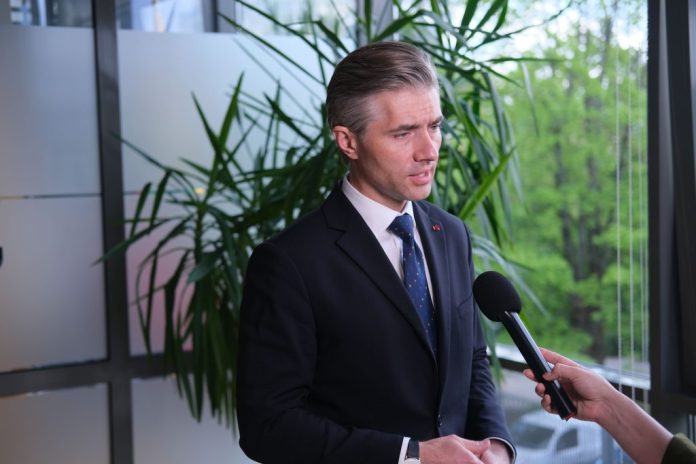
Lithuanian Minister of Foreign Affairs Kestutis Budrys told reporters in Vilnius on Thursday that although his country was “not part of [operations in Iran] from the beginning,” they are now “on our way” to aid the U.S. in opening the Strait of Hormuz.
“Our state defense council made the decision that we will be present in operations and securing the free navigation in the Hormuz Strait and in the [Persian] Gulf,” Budrys said. “What operation it will be — it will depend on the speed of the preparation of the plan of this operation.”
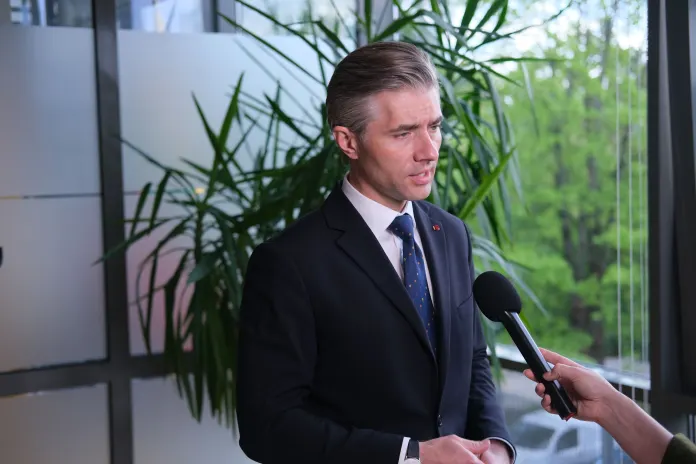
He added, “I’m sure that we will be there with our troops and with our flag.”
During a meeting with reporters in Warsaw on Friday, Polish Deputy Foreign Minister Marcin Bosacki also confirmed his country’s discussions of how it can help the U.S.
“U.S. requests for possible military aid into, for example, securing Hormuz — we are responding and responding positively,” Bosacki said. “This is within the pipeline of discussion both with our American friends and allies and within NATO.”
Regarding the specifics of expected military aid and the timeline for such operations, the deputy foreign minister said he “will not go into details.”
Both countries were at the center of intense speculation this week after reports emerged that President Donald Trump’s administration was reducing the number of troops in their region.
War Secretary Pete Hegseth has ordered a restructuring of military personnel placement, but Lithuania and Poland claim they have been assured the changes will not negatively affect the U.S. military presence in either country.
“We take reassurement that the U.S. doesn’t plan to reduce the number or the capabilities of U.S. troops in Poland,” Bosacki told reporters. “We think that, all in all, we’ll end up with the same number — close to 10,000 U.S. troops in Poland — and capabilities as they are.”
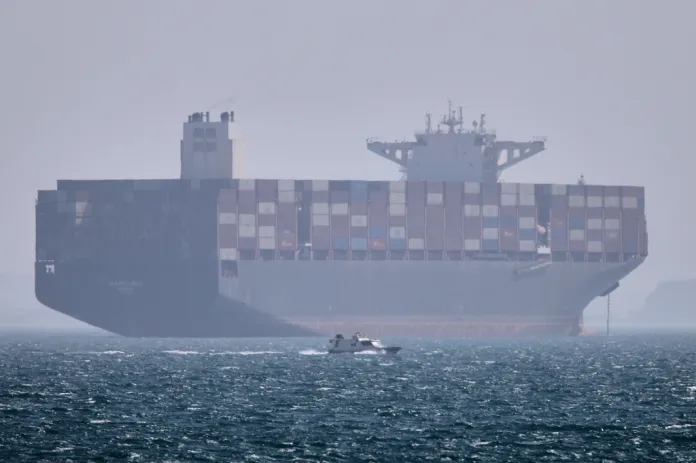
Polish Prime Minister Donald Tusk previously stated that “these decisions are of a logistical nature and will not directly affect deterrence capabilities and our security,” and other national officials have indicated a desire to increase U.S. presence in Poland.
Bosacki explained that the Pentagon‘s changes to troop logistics in Europe “should have been communicated better” and admitted that Warsaw is “still awaiting some answers.”
The deputy foreign affairs minister clarified it was not “communications between allies” that initially got tangled. He instead blamed “leaks” based on “text messages from the soldiers” that were not accurate and a delayed response from officials correcting the record.
“Only two days later there is an official announcement from the Pentagon,” he said. “I was a journalist and I was a spokesman, and I know a thing or two about communication — and that’s not the golden standard, I would say.”
Lithuanian Defense Minister Robertas Kaunas clarified on Thursday that his country “has received no information from the United States regarding the withdrawal of U.S. troops from Lithuanian territory,” but that they were “previously informed of possible changes to the rotation in the U.S. presence in Europe.”