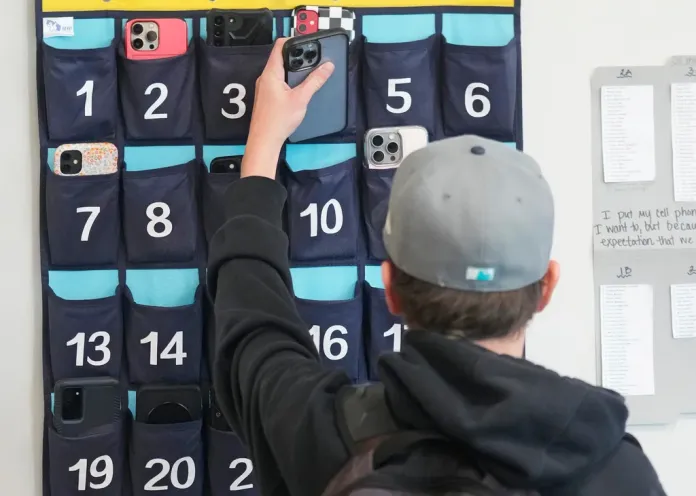
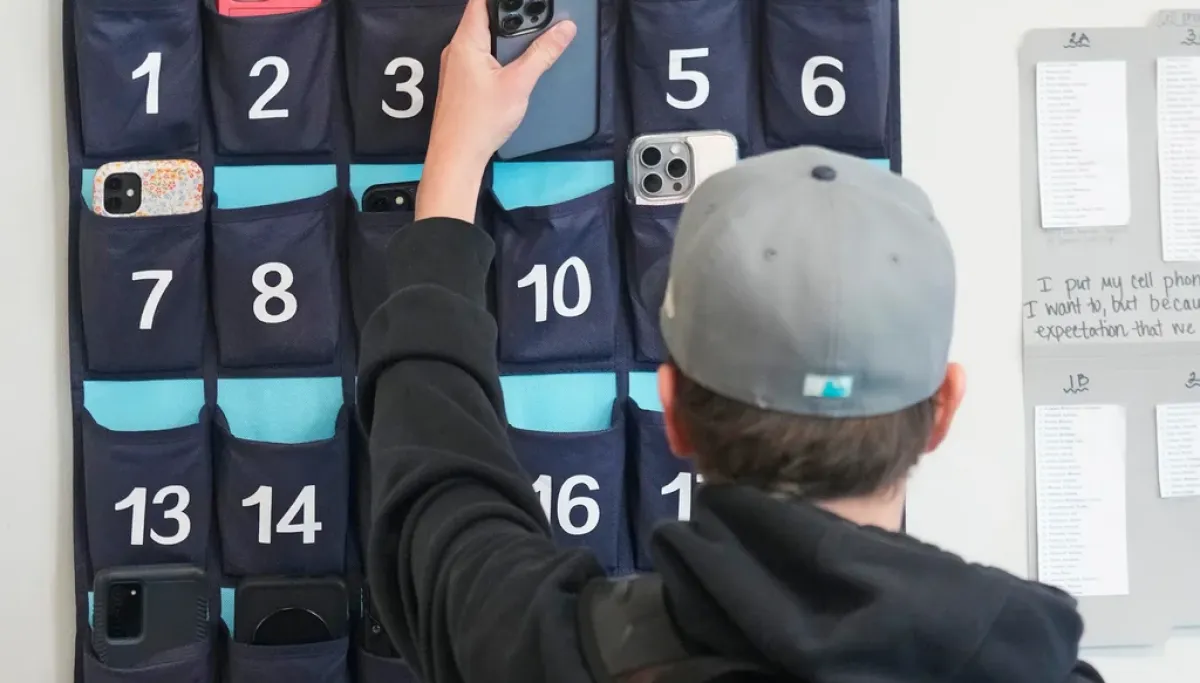
K-12 students in New Jersey will no longer be allowed to use their cellphones in school starting in the fall of 2026.
Gov. Phil Murphy (D-NJ) signed a bill into law on Thursday establishing “phone-free” schools in the Garden State. The bill, also supported by Gov.-elect Mikie Sherrill (D-NJ), bars the “nonacademic use” of smartphones on school grounds during the school day. Murphy said the state has already seen the impact of phone-restricting policies in trial districts across the state.
“Teachers report that students are more focused, less anxious, and they are socializing and laughing with each other — not through a screen — but in hallways and classrooms. By getting rid of needless distractions, we are fundamentally changing our schools’ learning environments and encouraging our children to be more attentive and engaged during the school day,” Murphy said in a statement.
New Jersey joins dozens of other states in implementing the so-called “bell-to-bell,” or full-day cellphone ban, a move that has seen bipartisan support from state legislatures across the United States.
About 74% of American adults support banning cellphone use during middle and high school class time, according to a Pew Research Center poll. The country is nearly split on the bell-to-bell bans, with just 2% more adults saying no to the full-day restriction, according to the July poll.
Sherrill rhetorically cosigned the ban as a win for youth mental health. Several studies have linked excessive smartphone usage in young adults with worsening academic performance and increased symptoms of anxiety and depression.
STUDENT CELLPHONE PROHIBITION IMPROVES TEST SCORES: STUDY
“Our young people are facing a mental health crisis — but, we all know that when children put the screens down, their mental health and academic results improve,” Sherrill said in a statement. “I look forward to implementing this important legislation and continuing to make progress on kids’ online safety and holding Big Tech accountable for the content they push toward our kids.”
The law instructs the state commissioner of education to draft a guideline policy for districts to work with by early April. It also provides some exceptions to the phone ban, including allowing children to access and use their devices in the case of an emergency.