
The far-reaching redistricting plan would effectively dismantle two South Florida districts represented by some of Congress’s most prominent pro-Israel Jewish Democrats, Rep. Jared Moskowitz (D-FL) and Debbie Wasserman Schultz (D-FL). It also targets seats in Tampa and Orlando held by Reps. Kathy Castor (D-FL) and Darren Soto (D-FL), who are both also as consistent supporters of Israel.
The effort backed by DeSantis is designed to tilt Florida’s congressional delegation further toward Republicans ahead of November, with GOP leaders in both legislative chambers positioned to advance the rare mid-decade redraw during a special session this week.
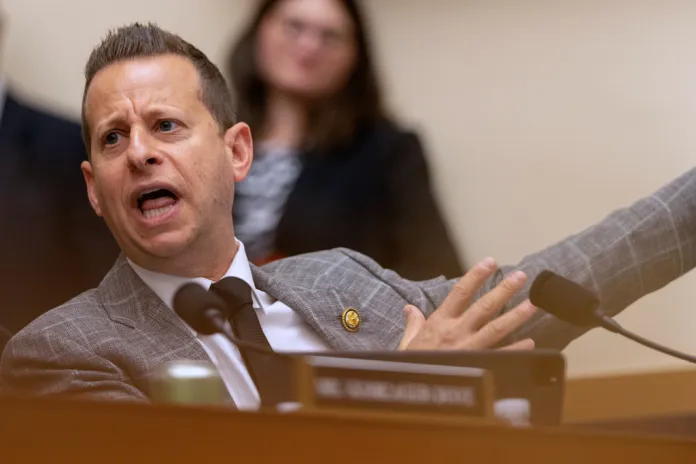
The proposal, part of a broader national push by both parties to reshape House maps, is widely expected to clear the legislature, though Democrats have signaled plans to fight it in court. They currently control seven of Florida’s 28 seats following the recent resignation of Democrat Sheila Cherfilus-McCormick amid an ethics probe.
Jewish Democrats warned the effort, if successful, could sideline pro-Israel lawmakers at a moment when internal party disagreements over Middle East policy and concerns about rising antisemitism are intensifying.
“The proposed map is a blatant attempt to push out pro-Israel Democratic champions in Congress,” said Brian Romick, President and CEO of Democratic Majority for Israel. “It’s bad for our country, it’s bad for those who care about Israel and it’s a violation of Florida’s redistricting constitutional amendment. We urge lawmakers to reject this shameless partisan stunt.”
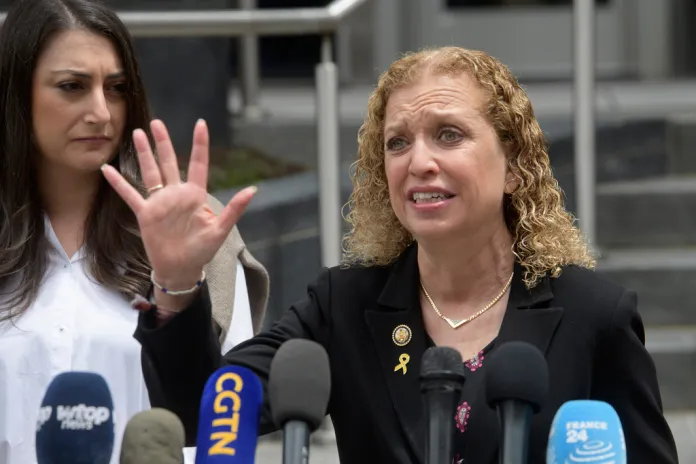
The concerns come amid a broader shift inside the Democratic Party that is increasingly testing what was once a durable bipartisan consensus on Israel, with growing unease extending beyond the party’s progressive wing.
Recent Senate votes underscored that shift, with more than three dozen Democrats backing efforts to block certain U.S. arms sales to Israel, a significant jump from similar votes in past years.
Some now fear the anti-Israel shift among Democrats could accelerate if the mid-decade redistricting succeeds in Florida.
“The lines being drawn could knock out some of the Democrats who have been most consistent on Israel, including Debbie Wasserman Schultz, Jared Moskowitz, and Darren Soto,” a pro-Israel Democratic strategist said, granted permission to speak on the condition of anonymity to speak candidly about the situation.
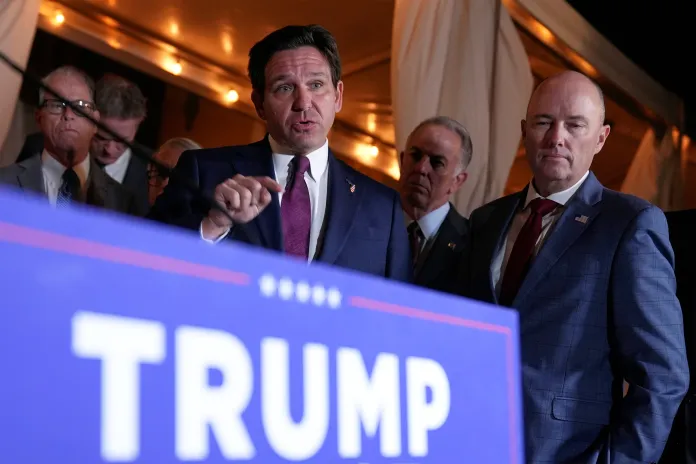
“That would further erode an already diminishing group of Democrats who have helped maintain bipartisan support for Israel,” the person said, warning that pro-Israel positions could become increasingly concentrated within the Republican Party.
Public opinion has also shifted sharply. A recent Pew Research survey found that 80% of Democrats and Democratic-leaning independents now view Israel unfavorably, with the change especially pronounced among younger voters.
Strategists say the shift is being driven in part by changing political incentives, as candidates face increasing pressure in primaries to take a harder line on Israel while balancing backlash from Jewish voters and moderates.
EROSION OF DEMOCRATIC SUPPORT FOR ISRAEL RAISES FEARS OF A LASTING PARTISAN SPLIT
Some Democrats and foreign policy veterans warn the trend could have long-term consequences, making future support for Israel less automatic in Congress and more politically contested.
“Eliminating even four pro-Israel voices in the House could make a huge impact,” said the strategist.