
Speaker Mike Johnson (R-LA) will be at odds with his conference next week as he tries to pass a narrow Senate reconciliation bill to fund border enforcement, despite many Republicans wanting a wider bill to boost their 2026 standing.
The Senate moved forward with a plan to provide up to $70 billion for Immigration and Customs Enforcement and its sister agency, Customs and Border Protection, using a party-line process known as reconciliation that bypasses the 60-vote filibuster threshold. However, House Republicans are up in the air about the proposal.
House Republicans are concerned about giving up their best tool to pressure the Senate to pass legislation dealing with affordability ahead of the November elections, which are looking increasingly difficult for the GOP.
Johnson is promising that Congress will move an additional reconciliation bill after the narrow immigration measure passes. Even top lieutenants, however, doubt there is enough time on the congressional calendar or sufficient support within the Senate.
The backdrop will face Johnson when lawmakers return to Washington next week. With a narrow House majority, the speaker can only lose two votes on any given bill before having to rely on Democrats crossing the aisle. Bipartisan support for the $70 billion immigration funding package is unlikely to materialize. Democratic opposition to ICE and CBP funding has led to a monthslong partial shutdown of the Department of Homeland Security.
That means Johnson will likely have to pass the reconciliation bill with only GOP votes. Here are the major players to watch:
Thomas Massie
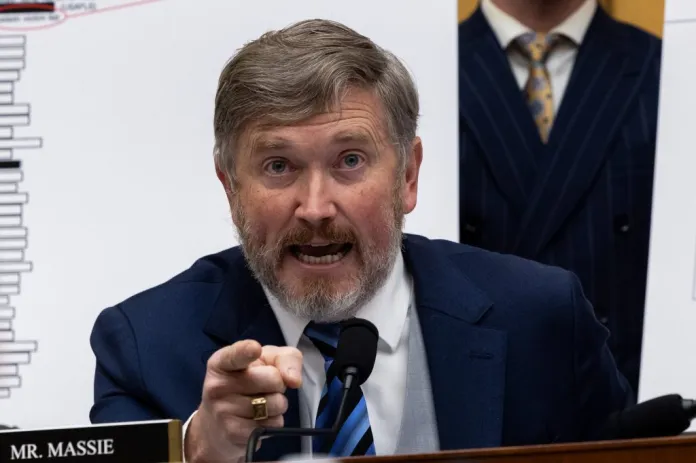
Rep. Thomas Massie (R-KY) is a frequent “no” vote on major spending legislation. Last year, Massie was one of only two Republicans to vote against President Donald Trump’s signature tax cut law, which was also passed via reconciliation. Massie opposed the One Big Beautiful Bill Act because of concerns it would add to the national debt.
Massie is facing a Trump-backed primary challenger for reelection. The primary is scheduled for May 19.
SAVE America Act advocates
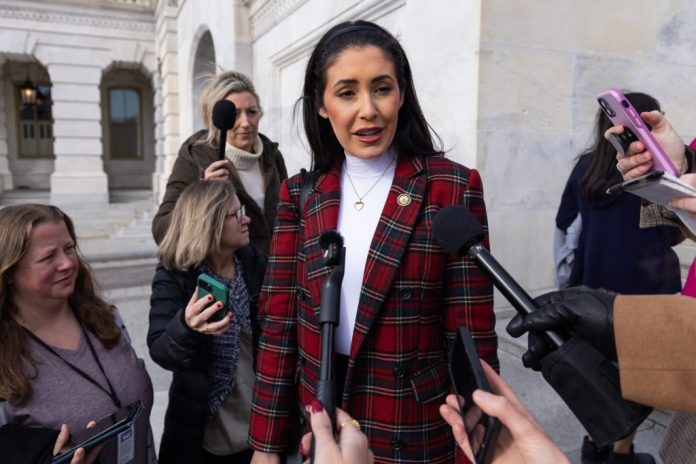
Rep. Anna Paulina Luna (R-FL) has been one of the most high-profile backers of the SAVE America Act within Congress. The legislation would mandate identification to cast a ballot and proof of citizenship to register to vote nationwide. Luna and other hardliners have threatened to oppose the Senate-passed legislation until Senate Majority Leader John Thune (R-SD) passes it.
It’s unclear if Luna and other conservative supporters will try to attach the SAVE America Act to the immigration funding bill or take it hostage until the Senate moves the voting measure.
“The Senate will no longer have legislation passed until the SAVE America Act is passed and on the President’s desk,” Luna wrote on X earlier this year.
House Freedom Caucus
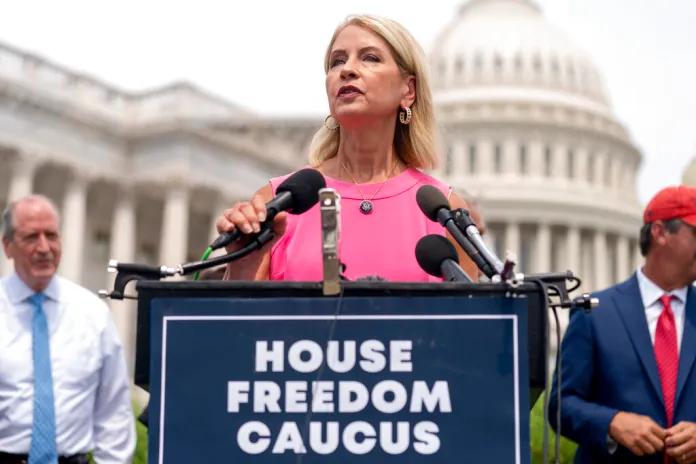
The House Freedom Caucus, the right-most flank of Johnson’s majority, often threatens to oppose major funding bills unless there are sufficient budget cuts to offset the new spending.
Many members also wish to expand the reconciliation bill to get Trump’s priorities approved and codify his executive orders.
Rep. Brandon Gill (R-TX), a member of the House Freedom Caucus, told the Washington Examiner that Republicans should “take the opportunity” to address troubles such as election integrity and tax policy rather than passing up “good opportunities for big legislation.”
Committee chairs
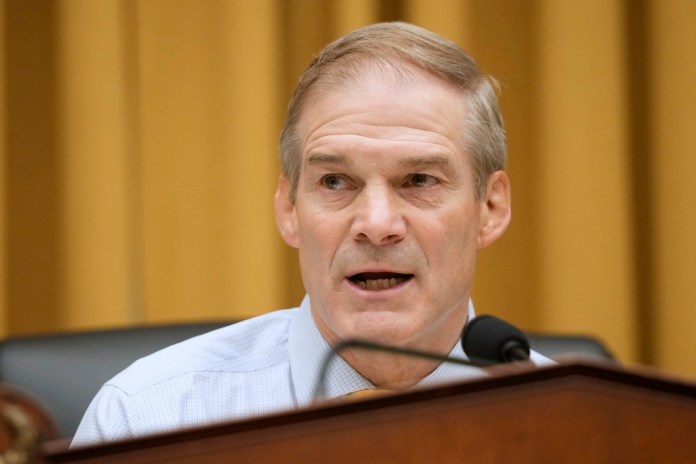
House Budget Chairman Jodey Arrington (R-TX), along with House Judiciary Chairman Jim Jordan (R-OH) and Ways and Means Chairman Jason Smith (R-MI), have been advocating a wider bill, Punchbowl News reported.
HOUSE GOP SPLIT ON ACCEPTING ‘SKINNY’ RECONCILIATION BILL OR PUSHING FOR MORE
“As long as we can address all the needs for the American people who gave us this unified Republican majority, whether we do a skinny version to open homeland back up and fund ICE and CBP for three years, and take the leverage away from Democrats for future shutdowns, and then pivot to a broader reconciliation and address the issues of defense and affordability and the widespread fraud that’s fleecing American taxpayers,” Arrington told reporters.
“As long as we can do that, and the will exist, and there’s a semblance of consensus to do it, then that’s fine,” he added. “I support that.”