EXCLUSIVE — Largely outside of the public eye, Customs and Border Protection has continued to surge personnel into the interior of the United States to help Immigration and Customs Enforcement arrest immigrants lacking permanent legal status in the three months since the White House halted the fiery showdown in Minnesota.
In the roughly 100 days since two CBP employees and an ICE officer fatally shot two American activists in Minneapolis, both agencies have had a chance to reflect and recalibrate on how they approach immigration enforcement.
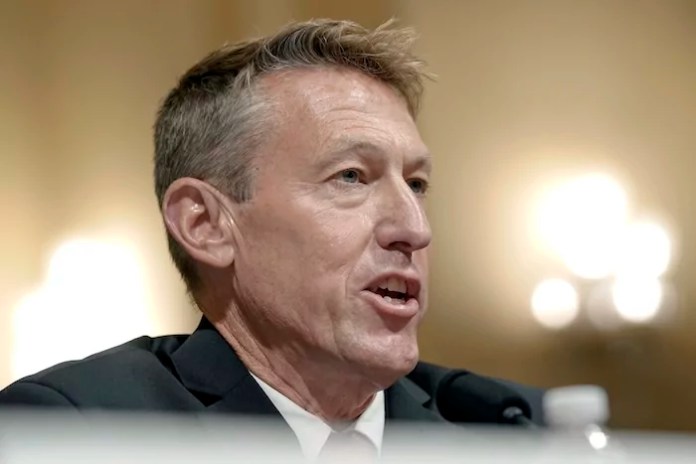
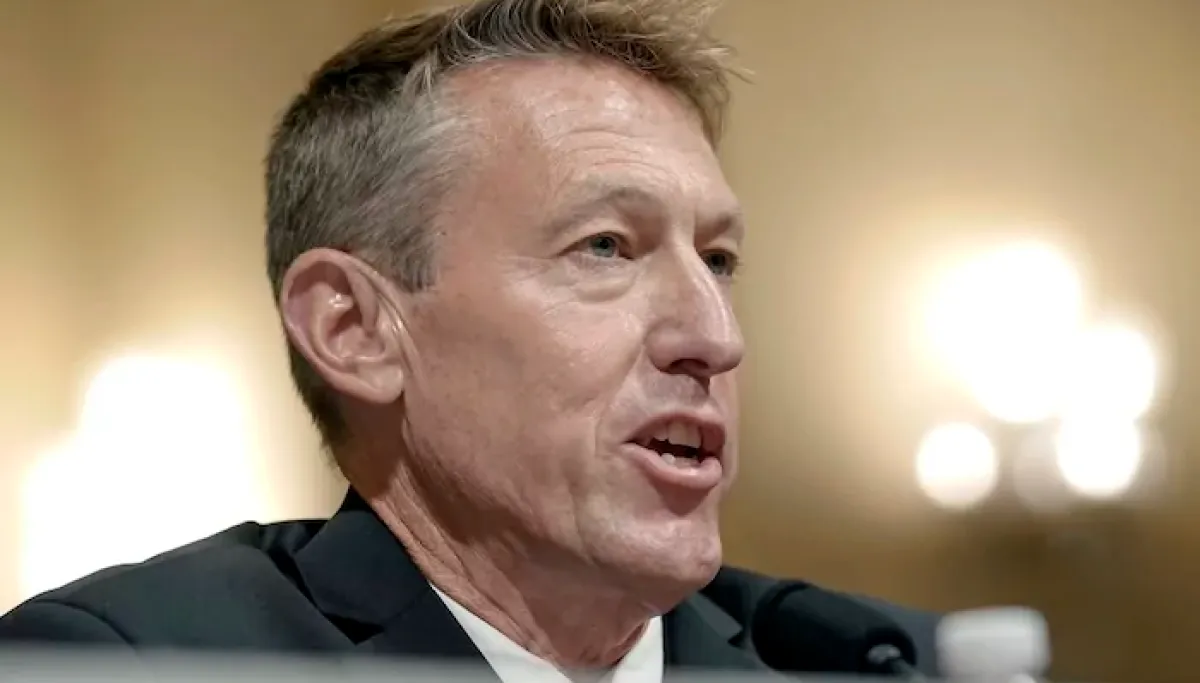
In his first sit-down interview since January, CBP Commissioner Rodney Scott acknowledged “missteps” in how CBP handled the officer-involved shooting and communicated with the public about its work with ICE.
“I believe we had some missteps, to say the absolute least. I think we’re learning from those, and we’re pressing on,” said Scott, who sat back with hands grasping the arms of a club chair in his Washington office.
“The more you communicate up front and tell people what you’re doing, why you’re doing it, how it helps them, we’re better off,” Scott said. “But as just government in general, we have a tendency to get behind the curve and do it, the mission first, and then explain it afterwards.”
CBP has taken on a far more subdued profile since January, when Gregory Bovino, a Border Patrol regional chief at the helm of the flashy and aggressive enforcement campaign, was pushed out, and not long after, Trump relieved then-Homeland Security Secretary Kristi Noem of her job. The two had become the face and voice of the operation despite Scott’s position atop CBP.
Since January, CBP has not abandoned ICE but has continued in its partnership at a much quieter, contained rate, steering clear of creating unnecessary problems for itself.
The national chief of the Border Patrol, which makes up less than one-third of CBP employees, told the Washington Examiner last October that its agents were deployed across 27 cities assisting ICE. Scott and CBP did not provide an updated count of how many cities across the interior of the country CBP personnel were helping ICE in as of April.
“Supporting ICE, that has not changed,” Scott said. “The numbers have fluctuated, but we still, we’re still doing that, and we will continue to do that. We do have agents [we are] sending in weeks and months at a time.”
How CBP is deploying now
CBP is the nation’s largest law enforcement agency with more than 68,000 employees globally. Given the downturn in arrests of immigrants living in the U.S. without authorization at the U.S.-Mexico border in Trump’s second term, CBP was able to send some personnel inside the country to help ICE — the agency responsible for arresting, detaining, and deporting immigrants determined to be unlawfully present.
Since January, CBP has not publicized its deployments in news reports, agency press releases, or social media posts. The work that CBP did with ICE beginning last summer through January 2026 was largely publicized by Noem and Bovino, the since-retired Border Patrol chief of southeastern California, who led Border Patrol agents to Charlotte, North Carolina; Portland; Chicago; New Orleans; and Minneapolis.
Noem and Bovino frequently posted fiery videos about immigration enforcement, antagonizing activists. Following the fatal shootings in Minneapolis, Trump sent White House border czar Tom Homan to contain the situation and restructure how federal agencies would handle immigration enforcement moving forward.
One of the lessons learned was that the longer personnel stayed in one city, particularly progressive cities that opposed ICE, the more time it gave activists to organize and push back against immigration enforcement. Nowhere was this more evident than in Chicago and Minneapolis, where operations lagged after nearly two months in each city. The public pushback and clashes between federal police and residents grew with every week.
“Chicago and Minneapolis, specifically, we had this massive protest movement that came out that literally doesn’t want us to enforce the laws in the United States that were enacted by Congress,” Scott said. “That got a lot of media attention, and that drew even more just chaos, if you will. So we had to surge in additional agents just to protect the teams that were going out and making the arrests.
“The targeted enforcement that we’re doing right now around the country … there’s a lot less local backlash, and honestly, there’s less manpower,” Scott said.
CBP has special response teams, mobile field force groups, Air and Marine Operations team, and the Border Patrol Tactical Unit on standby, ready to send in to assist if its agents and officers face major pushback in the cities they are deployed across.
“As long as state and locals just do their own job and participate to the extent that they can and respond if we need something, I don’t think we need that,” Scott said. “In the places like Chicago and Minneapolis, where we had to do these big surges, we asked state and locals just to simply do their own job — when our agents started getting assaulted, we asked them to step in, and they refused. We haven’t had that problem since Minneapolis.
“State and locals have been working with us to the extent that they can, and then when they don’t, we engage in conversation very quickly,” he said. In Minneapolis and Chicago, Bovino and Noem took the opposite approach, declining to speak with local and state officials. “I’m hoping that is the solution going forward. But I can’t predict what politics will take place in any specific city.”
The quantity vs. quality debate
Senior Trump administration officials have fought internally over whether to focus on arresting the “worst of the worst” criminals in the country or on targeting as many immigrants living in the U.S. without authorization as possible. Trump has touted both approaches as the administration’s focus.
Noem and Bovino had gone after the numbers. White House Deputy chief of staff Stephen Miller had declared in a Fox News interview last May that the administration was looking to make 3,000 arrests per day.
Meanwhile, White House border czar Tom Homan pushed for federal immigration authorities to go after the greatest public safety threats but not ignore noncriminals found during searches.
Asked which was the path the Trump administration would take moving forward, Scott said the “worst of the worst” mattered greatly, but not at the cost of passing up immigrants living in the country without authorization who do not have criminal histories.
“This is what I heard from the Trump administration when I came in, the entire time: focus on the highest threats,” Scott said. “Make sure that when you’re deploying agents, you’re doing it in the most effective way you can to make Americans safe.”
During the Biden administration, ICE was instructed to prioritize arresting those who were national security concerns and serious criminals. If, while in communities searching for those individuals, officers encountered illegal immigrants without criminal histories, they were supposed to only arrest the criminal.
IMMIGRATION GROUPS THAT WANT MASS DEPORTATIONS BLAME BIG BUSINESS FOR DELAY
Now, Scott said, “if we go into a house and there’s 20 people and … only one target, we’ll arrest all of them.”
“There’s not a quota, per se,” Scott said.