The World Health Organization announced Sunday it is releasing $2 million in emergency funding to support health services in Lebanon, Iraq, and Syria as the widening Iran conflict strains already fragile healthcare systems across the region.
The funding comes from WHO’s Contingency Fund for Emergencies, which is used to rapidly deploy resources during humanitarian crises. The agency said the money will help sustain front-line health services, improve disease monitoring, and respond to mass-casualty incidents linked to the war in Iran.
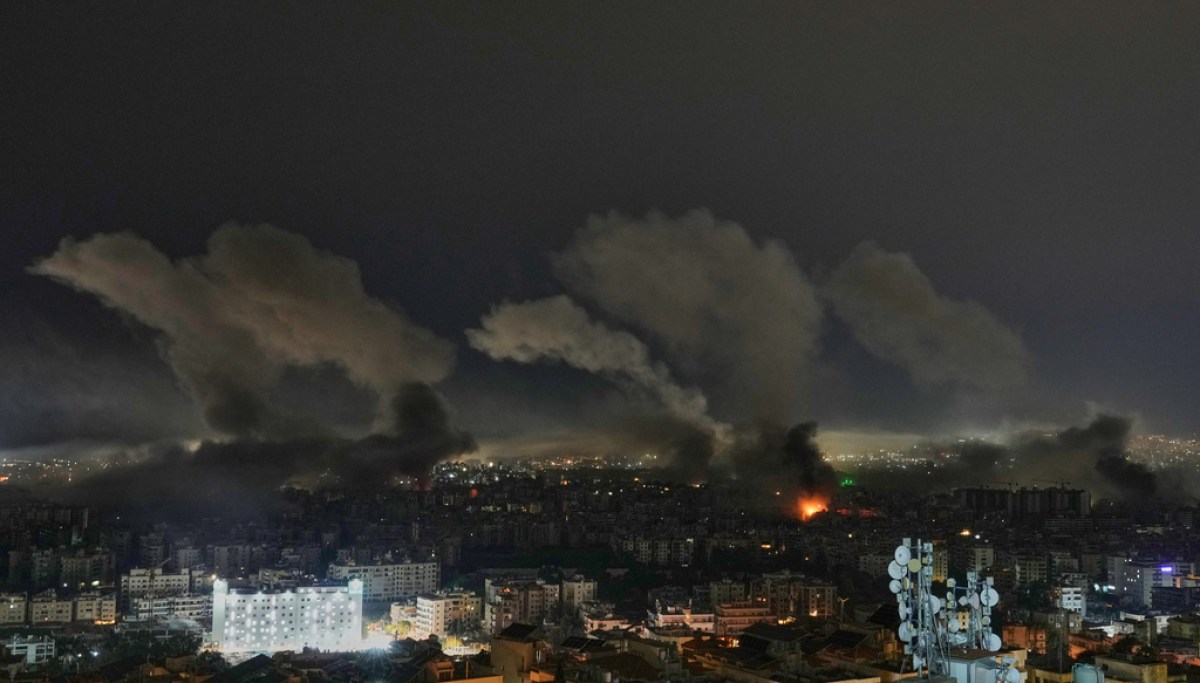
Lebanon will receive $1 million, the largest share of the funding, as Israeli airstrikes tied to the war with Iran expand into the country and fighting involving the Iran-backed Hezbollah militant group intensifies along Israel’s northern border.
TRUMP MAKES RISKY BET TRYING TO CONVINCE THE PUBLIC HIGHER OIL PRICES ARE GOOD
The funds will also help strengthen disease surveillance systems and assist the country’s Public Health Emergency Operations Centre as hospitals handle a growing number of inquiries and displaced civilians.
Iraq and Syria will each receive $500,000 to bolster emergency response capabilities, including managing mass-casualty events, providing healthcare services for displaced populations, and expanding community outreach and disease surveillance.
Both countries have faced security risks and instability during the conflict. Iranian missile and drone attacks have targeted several U.S. and allied positions in the region since the war began, while governments have raised concerns about potential retaliation or spillover violence affecting nearby states.
The WHO said the funding comes as the conflict has triggered large-scale population movements across the region, with more than 100,000 people relocating from Iran and up to 700,000 people internally displaced in Lebanon.
Healthcare systems in Lebanon, Iraq, and Syria were already under pressure before the war in Iran broke out due to years of economic hardship, political instability, and previous conflicts. Syria’s healthcare infrastructure has been severely damaged during its long-running civil war, while Lebanon’s hospitals have struggled with economic collapse and refugee pressures.
The emergency funding announcement comes amid shifting dynamics surrounding the WHO itself. Earlier this year, the United States formally withdrew from the organization, ending decades of membership and leaving a major gap in funding and global health coordination.
STATE DEPARTMENT OFFERS $10 MILLION BOUNTY FOR IRAN REGIME LEADERS
The U.S. has historically been one of the WHO’s largest contributors, providing hundreds of millions of dollars annually in both mandatory dues and voluntary contributions to support global health programs.
While Washington has exited the organization, several U.S. states, including Illinois and California, and regional public health networks have continued collaborating with the international health agencies on disease surveillance and response efforts.