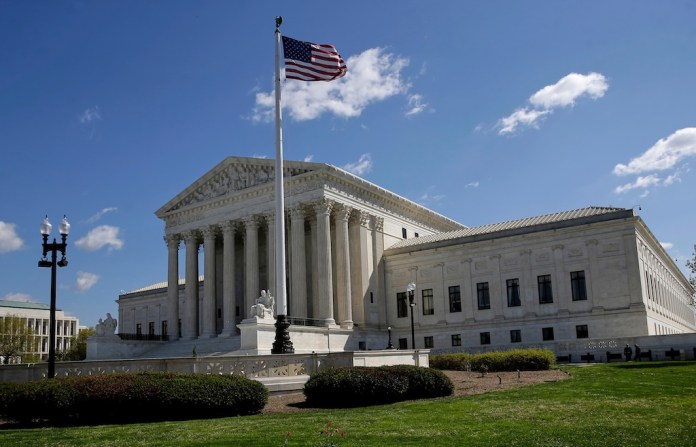
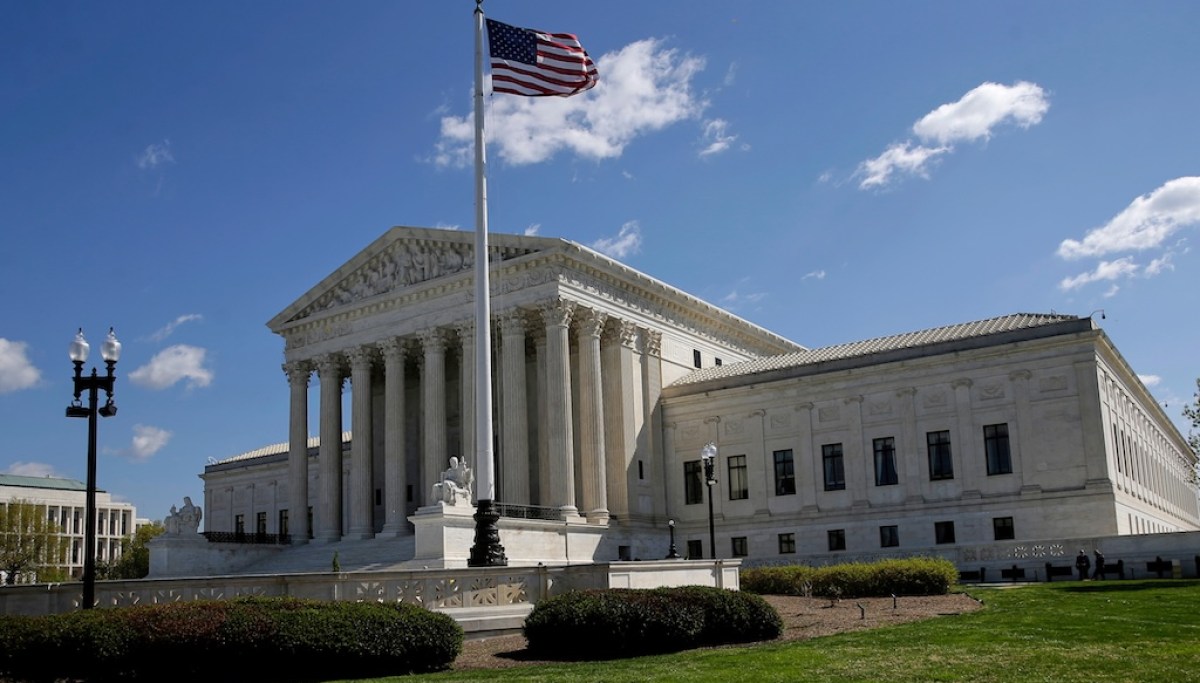
The Supreme Court will issue opinions in the eight remaining cases pending for this term this week, continuing its tradition of saving the biggest cases for the final days of its term.
While the Supreme Court has released opinions in 50 of the 58 cases it heard arguments in between October 2025 and the end of April, the most highly anticipated and closely watched cases are set to be released on one of the likely two final opinion days of the term. The rulings in cases about President Donald Trump’s firing ability, along with his executive order on birthright citizenship and other disputes over biological males in women’s sports, will conclude the term.
The main reason the most closely watched cases end up being the final opinions of the term is how sharply divided the justices are on the most contentious cases. The process of drafting the final ruling can be slowed because of those divisions. Typically, the Supreme Court rulings released earlier in the term are less divided, and decisions released later in the term tend to break down along ideological lines at a higher rate.
The way the Supreme Court comes to decisions is first by taking a vote in a closed-door conference in the days following oral arguments in a case. Once the closed-door vote is conducted, the most senior justice in the majority selects the justice to write the majority opinion. Over the following weeks, and usually months, drafts of the majority opinion, along with other concurring and dissenting opinions, are circulated among the justices. The justices offer comments on opinions they are interested in signing onto to reach agreements about their arguments. Once the majority opinion and any subsequent concurring and dissenting opinions are finished, they are released to the public on one of the high court’s opinion days. By continuing to adjust their opinions, justices can use this process to hold up rulings, especially in controversial matters.
Spring arguments, summer opinions
Another factor that contributes to the delay of high-profile rulings is the timing of oral arguments. When a case is heard later in the term, it is typically released later as well. Most Supreme Court cases have opinions released more than three months after their oral arguments, meaning cases heard in March or April are almost always expected to be released toward the end of the term.
Court watchers also speculate that justices may hold particularly controversial opinions until the final days of their term so they can leave town quickly for the summer break and escape any protests or unrest that their decisions may spark.
The Supreme Court almost always ends its term during the final week of June, sometimes spilling into the first few days of July, and has concluded it with some of the biggest cases in recent years. The Supreme Court’s abortion ruling in Dobbs v. Jackson Women’s Health Organization, which overruled Roe v. Wade, was released June 24, 2022; its 2023 ruling in Students for Fair Admission v. Harvard, which abolished race-based admissions, was released on June 29; and its 2025 ruling in Trump v. CASA severely limiting universal injunctions was released on June 27 last year.
THE MAJOR SUPREME COURT DECISIONS REMAINING FOR THIS TERM
The Supreme Court will release the final opinions of the term on Monday and likely another day this week, which will be announced at a later date by the high court.
Once the high court’s current term ends, the Supreme Court will return to hear cases for its next term beginning on Oct. 5. That term will continue with arguments through the end of April 2027, with all rulings expected to be released by the end of June 2027. Over the coming months, the Supreme Court will add to the dozen cases it has already said it will hear during that term.