DETROIT — Democrats in Detroit are warning that Vice President Kamala Harris is not doing enough to reach black voters, with former Secretary of State Hillary Clinton’s 2016 loss in Michigan still front of mind for local officials.
This week, the Harris campaign unveiled its largest push yet to appeal to the black community, as polls show the vice president trailing President Joe Biden‘s 2020 support. Her campaign scheduled a series of “Black Men Huddle Up” events in battleground states, including a Tuesday organizing call she held after sitting down with popular radio host Charlamagne tha God in Detroit.
The events, announced alongside an agenda geared toward job opportunities for black men, represent an attempt to reverse a newfound openness to former President Donald Trump, especially among some younger voters.
However, Democrats in Detroit have described gaps in her strategy, including a failure to involve Detroit leaders whose influence and organizing ability could shift votes in her favor. Others say she is still finding the right message and surrogates to appeal to the black community.
In a state Clinton lost by 10,000 votes in 2016, Detroit leaders are cautioning that turnout in their communities could decide whether Harris becomes the first black female president.
‘Elitist’ campaign
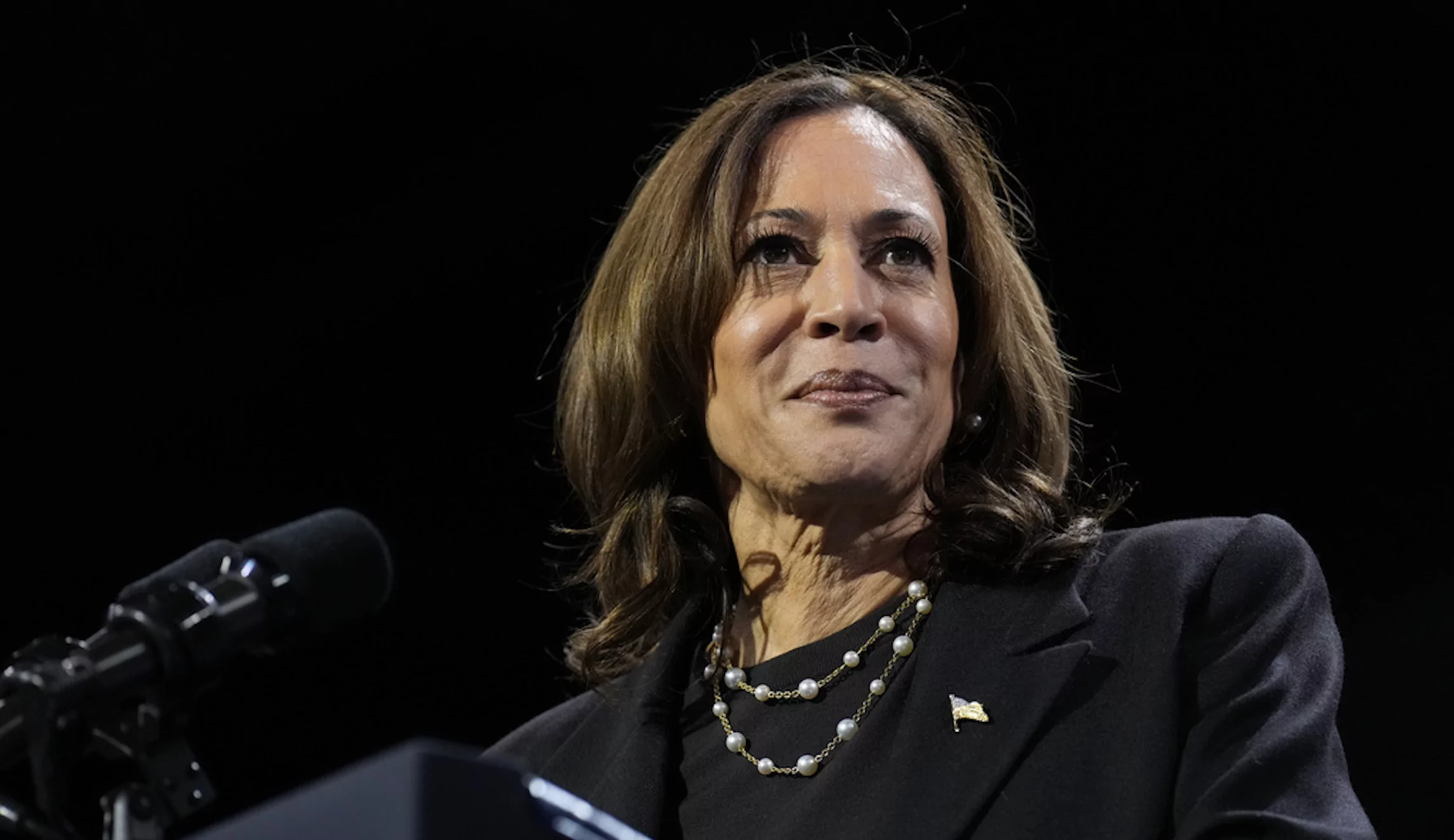
Mary Waters, the at-large councilwoman for Detroit, warned that Harris was at risk of running an “elitist” campaign that overlooks Democrats who, though they are not currently part of Harris’s political network, can and want to be useful in electing her in November.
She cited conversations with former and current elected officials who feel excluded, as well as community organizers whose relationships in impoverished neighborhoods could help turn out residents who are less likely to vote.
“You’re hurting her,” Waters said of Harris’s political team, advising that she expand her reach in the campaign’s final weeks. “You’ve got to do it, or it’s going to hurt really bad.”
Waters is one of several local officials the Washington Examiner spoke to this month who are worried that Democrats will take Detroit, a blue stronghold, for granted. If Trump is able to pull even a few percentage points of support away from the Democrats, it could hand him a battleground state Harris needs to become president.
The most common complaint was that Harris was running an insular campaign, but Democrats also vented that Harris did not have a strong enough message for black men or that she needed a better footprint in the state.
Waters said Harris should conduct more interviews on local radio stations. She also suggested a walk-through of one of the communities she represents.
LaMar Lemmons III, who served on Detroit’s school board, said Harris did not yet have the message needed to reach a new generation of black voters who are far more “transactional” than their parents and grandparents, in particular on the economy.
“I’m a Kamala supporter, and the only message I have is how bad Trump is. It’s Project ’25, but the message I want to be able to take — this is what we’re going to do for people in your socio-economic strata,” he said.
Harris’s black outreach
In the days since those interviews, Harris has taken steps to address that perception. On Monday, her campaign announced an “opportunity agenda” for black men that includes forgivable loans for entrepreneurs and new investments in apprenticeship and mentorship programs, a blueprint that Waters called an “improvement.”
The Harris campaign says its outreach to the black community predates the new rollout, however. It has spent more, and earlier, on paid media to reach those voters compared to past presidential campaigns, it says, airing advertisements on traditionally black radio stations and during sporting events whose audiences skew male.
Meanwhile, it cited early hires, such as senior adviser Eddie McDonald, tasked with coordinating with black elected officials and faith leaders.
Marloshawn Franklin, a Detroit native who leads Harris’s political operations in Michigan, has taken point on informing local officials on how to get involved. His outreach has included weekly barbershop and salon conversations in Detroit and Flint that began in August.
Harris’s message, delivered in interviews and by her staff, is that she is not taking the black vote for granted.
“Black men are like any other voting group. You got to earn their vote,” she told the National Association of Black Journalists in September. “I’m working to earn the vote, not assuming I’m going to have it because I am black, but because the policies and the perspectives I have, I understand what we must do to recognize the needs of all communities.”
In her Tuesday interview with Charlamagne, she expressed support for studying reparations and described herself as “progressive” on marijuana despite prosecuting marijuana cases as a district attorney in California.
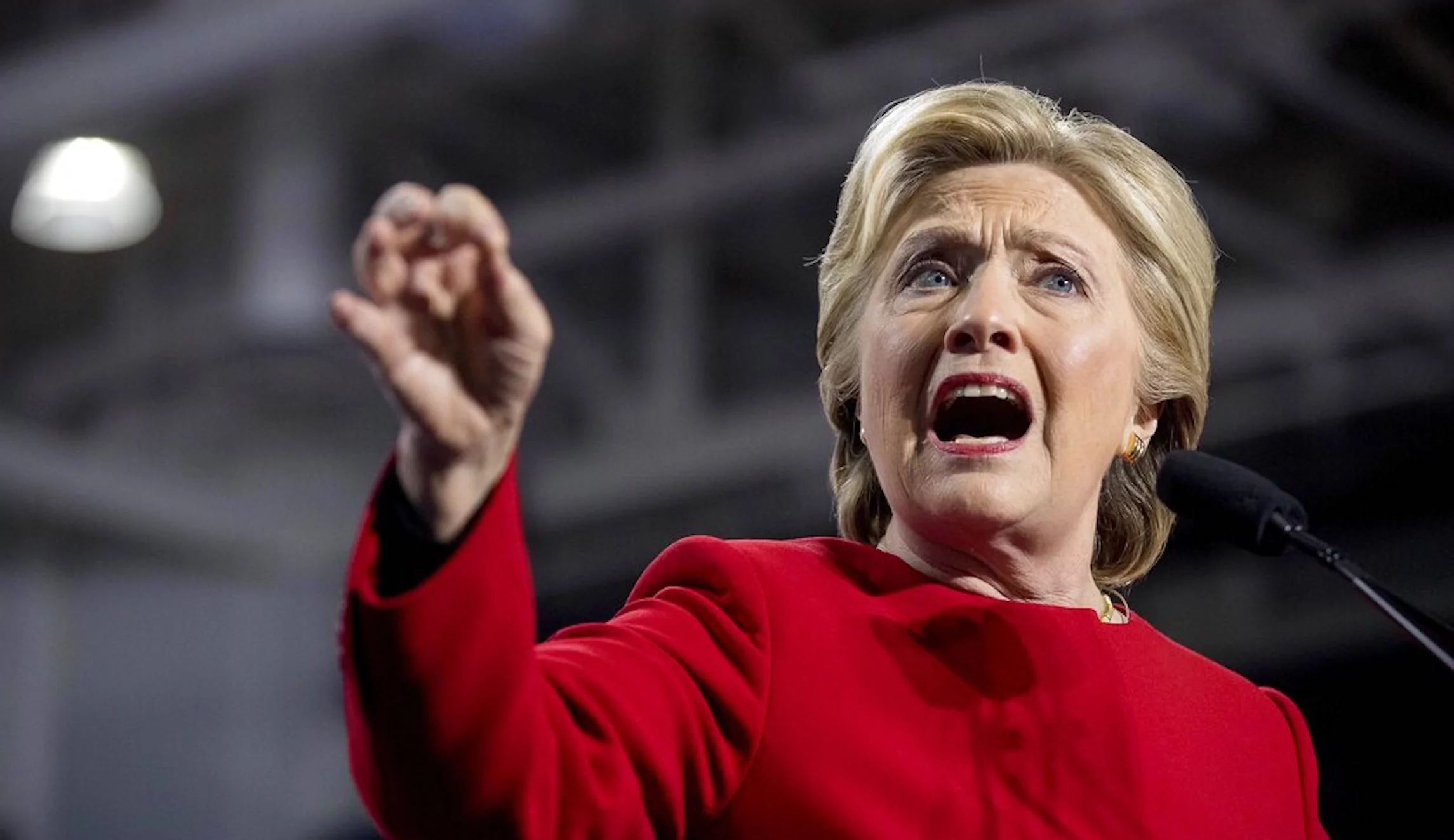
Still, local Democrats have not forgotten Clinton’s loss to Trump in 2016 and, in repeated conversations, feared Harris is falling into the same trap of “overconfidence” in blue wall states they say cost her the election.
In the weeks after her defeat, political analysts cited Clinton’s inability to rally black, Hispanic, and young voters at the margins necessary to keep Trump out of the White House.
‘We get overlooked’
Carol Banks, the vice chairwoman of the Nile Group, a local canvassing operation that helps elect Democrats, is one such community leader.
For years, her organization and others like it have door-knocked in Detroit neighborhoods where few others are willing to go. She said her expertise in communities such as Highland Park, where voter turnout rates are low, could help Harris, but her campaign had not reached out or provided assistance.
“I think because it’s a national campaign, we get overlooked,” said Banks. “And I think because they feel that they know better than us, but who knows your community better than the people who live in it?”
Lemmons said part of the breakdown is factional politics within the Democratic Party that have long plagued the city.
“Just because we are all on the same team doesn’t mean we all like each other,” he said.
Lemmons said he falls outside of Detroit Mayor Mike Duggan’s political network and, as a result, had not been approached to help Harris’s campaign.
“Getting things to Mike Duggan is not getting things down to the grassroots,” he added.
Duggan’s office did not respond to a request for comment by press time.
Other leaders described problems that extend beyond the black vote. Mohammed Hassan, a councilman in the Muslim-majority neighborhood of Hamtramck, recounted yelling at the Harris campaign for its lack of presence in his community.
“I shout at them, you guys [are] not doing it. No campaign in this area,” he said in an interview, also invoking Clinton’s 2016 loss.
Hassan, along with two other councilmen in Hamtramck, endorsed Harris last week, as first reported by the Washington Examiner. They plan to mobilize Bangladeshi- and Yemeni-American voters on her behalf.
Yet Harris is facing backlash over the war in Gaza that will cost her support from some Muslim voters, including the mayor of Hamtramck.
The Harris campaign noted its support from leaders in the Arab and Muslim communities, among them the groups Emgage and the Black Muslim Leadership Council.
Trump’s footprint in Detroit

Top of mind for Banks and other community organizers are the ways Trump is attempting to take advantage of Democrats’ perceived weakness on these and other topics. His campaign has been marked by unforced errors, including his recent insult of Detroit in a speech before business leaders.
But Republicans are also canvassing in Detroit neighborhoods they traditionally don’t, with Banks recalling a Trump door-knocker walking up to her home despite a Harris-Walz sign out front.
In terms of the black community, Democrats can still count on overwhelming support. Trump is polling at 15% nationally, according to a new survey from the New York Times/Siena College. However, the same polling suggested he will improve on his 2020 margins, while in Michigan, he is benefitting from surrogates who have sway in Detroit.
Kwame Kilpatrick, the former mayor of Detroit, recently cut a radio ad for Trump, while Lorenzo Sewell, a pastor at 180 Church, holds weekly “Souls to the Polls” events to turn out voters.
The Harris campaign defended its outreach in Michigan, detailing 20 Detroit-area events it has held this month geared toward reaching black voters, including a faith roundtable with Rep. Jim Clyburn (D-SC), formerly the third-ranking Democrat in the House, and a Utica event on engaging black men with Harris’s running mate, Gov. Tim Walz (D-MN).
In terms of canvassing, it said door-knockers were in historically black communities, including the Fitzgerald, Morningside, and East English Village neighborhoods, with a message focused on the economy.
Nonetheless, the topic is of deep concern to state leaders, who feel Harris has the right message for black voters but needs help communicating it to a younger audience.
Black mayors huddle in Flint
To that end, the Black Mayors of Michigan, a group that includes 14 mayors, met earlier this month with African American students at three universities in Flint, Michigan, to solicit feedback on how to better connect with them.
Flint Mayor Sheldon Neeley, a co-founder of the organization, said the point of the meeting, held before Harris rallied in the city on Oct. 5, was to deliver a “clear and concise message” to her campaign that it could use for outreach.
“She has the right messaging. It just has to be translated to a language they can understand and digest,” Neeley said of Harris’s outreach to younger men.
The feedback was ultimately conveyed to Harris at the staff level.
Neeley, 56, judged that he and his wife, Cynthia Neeley, a state representative in the Michigan House, were effective surrogates for Harris for middle-aged voters, including those in the faith-based community.
Yet for younger voters who are just starting out, he said Democrats are “galvanizing now” to meet the gaps that still remain.
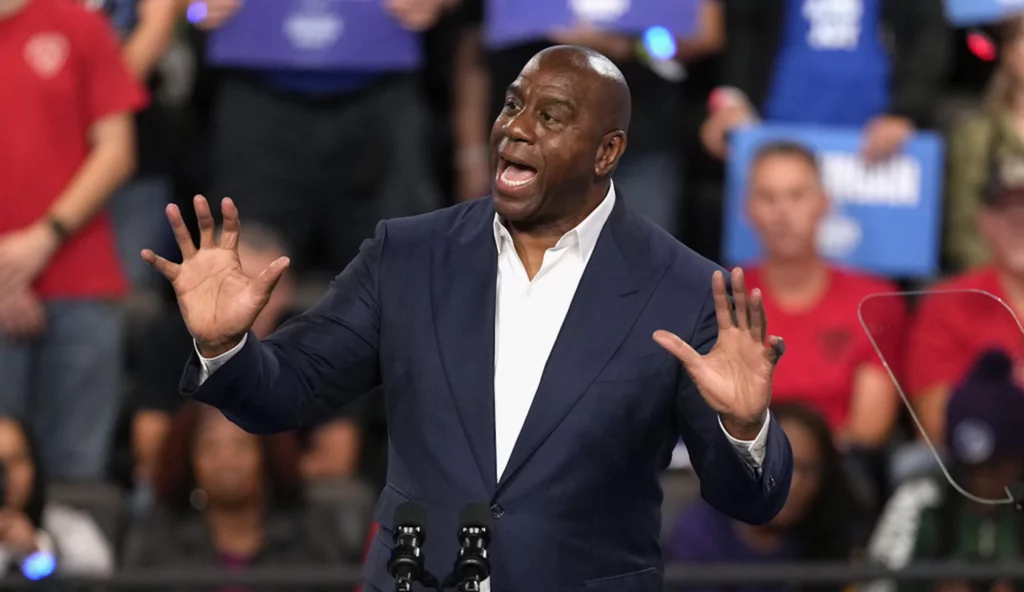
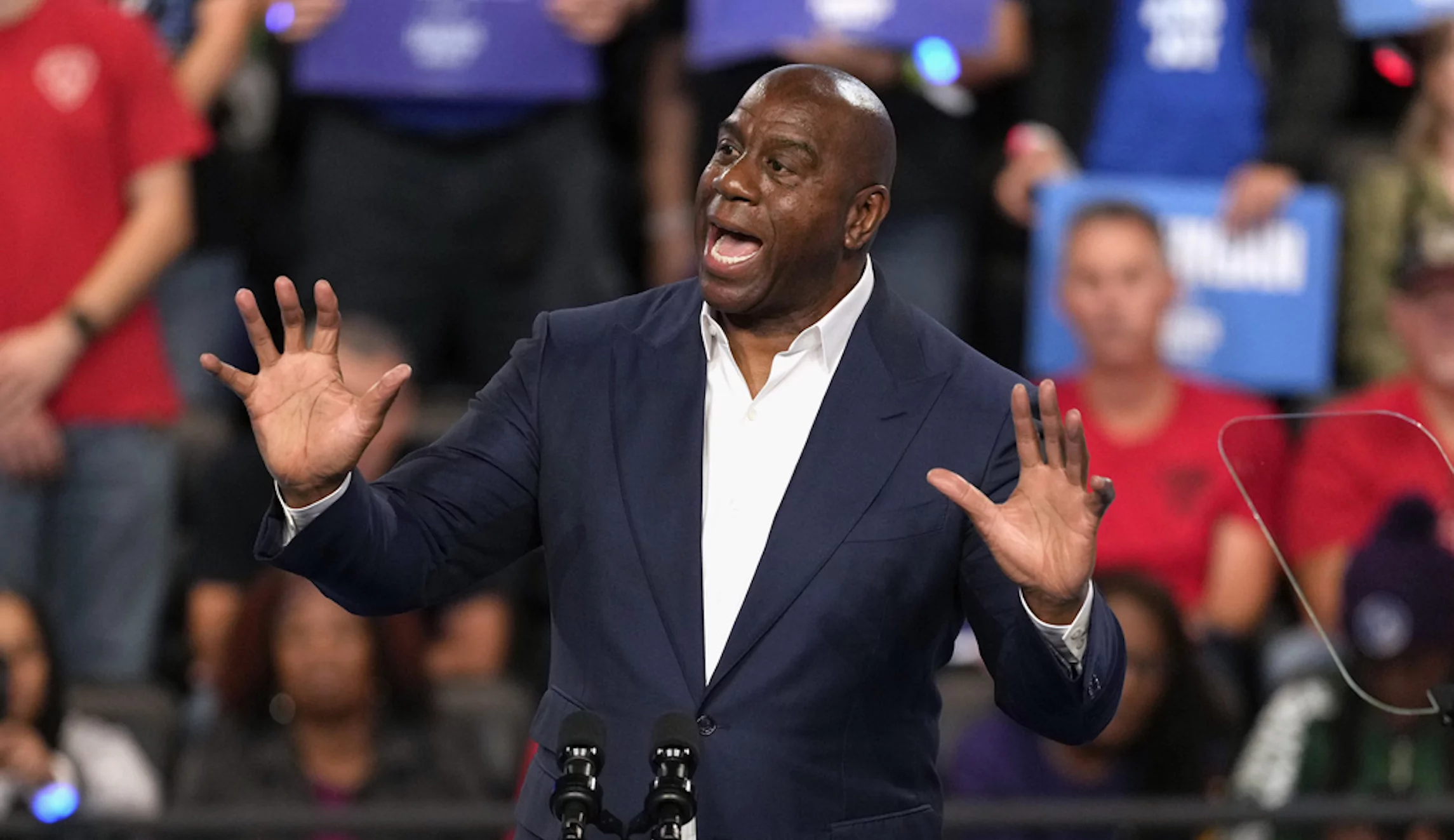
The Harris campaign has deployed surrogates, including reality star Taylor Hale and local influencer Gmac Cash, to get-out-the-vote events. At her Flint rally, Harris was introduced by basketball legend Magic Johnson, who made a direct plea to young men in his speech.
“Our black men, we gotta get them out to vote. Kamala’s opponent promised a lot of things to the black community that he did not deliver on, and we gotta help black men understand that,” Johnson said at the rally.
Trump-era stimulus checks
Still, Harris is battling voter anxiety on the economy, which rivals long-standing concerns within the black community that Republicans would erode civil rights. Trump’s Justice Department faced criticism that it took a “relaxed” approach to enforcing protections in housing and education.
Eric-Ko Nunley, a 35-year-old employee at General Motors in Flint, is one such voter who is weighing between the two matters.
He took up Harris’s challenge to watch a Trump rally, made during their presidential debate in September, and later attended the vice president’s event in Flint. But he remained undecided after both candidates emphasized preserving auto jobs in the state.
Lemmons, formerly a member of the Michigan House, called the openness to Trump a “big disconnect” that runs deeper than Harris’s candidacy. He quipped that congressional meetings in Detroit, often attended by older voters, are no different than your run-of-the-mill AARP meeting.
However, Lemmons also judged that enthusiasm for Harris should be higher given she would make history as the first black woman elected president.
“She’s not going to get what Biden got at this point, and that’s ironic,” he said.
Lemmons said part of the problem is Trump’s “misinformation” about the economy. He described many younger men bringing up the stimulus money Trump sent out in the early days of the pandemic, when some 70 million people received $1,200 checks printed with “President Donald J. Trump” in the bottom-left corner.
The government would ultimately send three rounds of checks, with congressional Democrats campaigning on the stimulus funding in the 2020 elections. Yet community organizers for Harris are battling the perception that Trump deserves the lion’s share of the credit.
“You hear it from a lot of people because that’s what Trump is running on, with people thinking that he was the one that got them those checks,” said Dr. La’Toshia Patman, a volunteer for Banks’s door-knocking organization.
‘Very tough battle’
Local Democrats were split over how concerned Harris should be about her prospects in the state. Trump lost to Biden by 3 percentage points in 2020, or 154,000 votes. However, his winning margin in 2016 has some fearing another nail-biter election.
“I believe, deep down, she should win, but it’s going to be a very tough battle,” Banks said of Harris.
“It is going to be tight,” added Waters.
Lemmons, for his part, said Harris has a “decent” game plan to win Michigan due to her outreach to independent white voters turned off by Trump’s rhetoric, plus the longevity of abortion as a political wedge.
But he believes right-leaning voters will return to the Republican Party as early as the midterm elections, adding a sense of urgency to Democrats’ efforts to revive black support.
“That’s a tenuous thing, and it’s not sustainable,” he said of Harris’s Republican outreach.
CLICK HERE TO READ MORE FROM THE WASHINGTON EXAMINER
Patman, the community organizer, said Harris had done more to win Michigan than Clinton, citing her repeated visits to the state this month. Harris will return on Friday, with stops in Grand Rapids and Oakland County.
Yet Banks wanted to see more resources put into Harris’s ground game as a signal that Detroit’s vote will be taken seriously.
“My thing is, let’s not repeat it,” Banks said of Clinton’s race. “I think you need to put your money where your mouth is. Yes, we’re Democrats, but make us feel like we’re needed, and you need our vote.”